FARMING ON MUCK
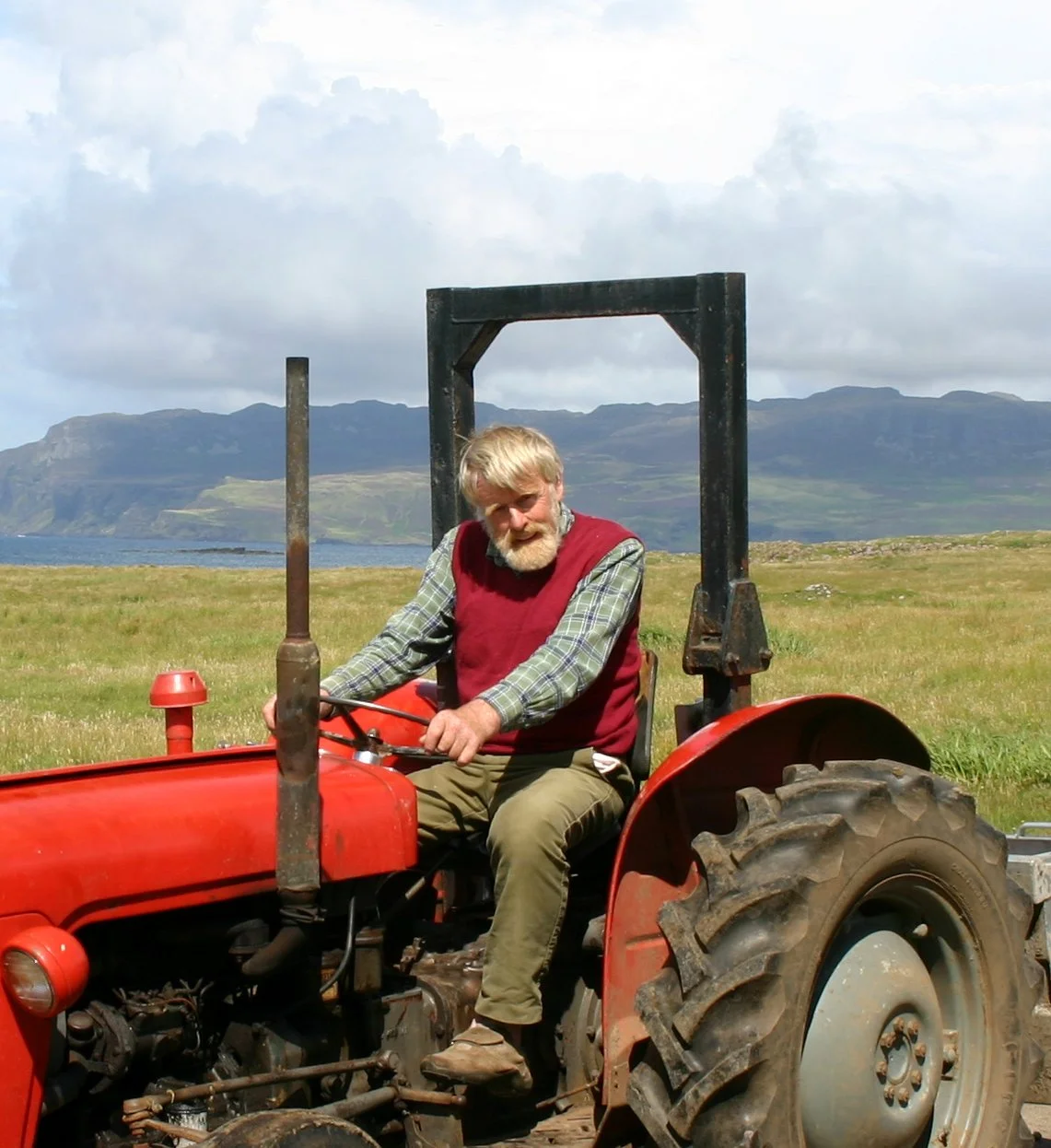
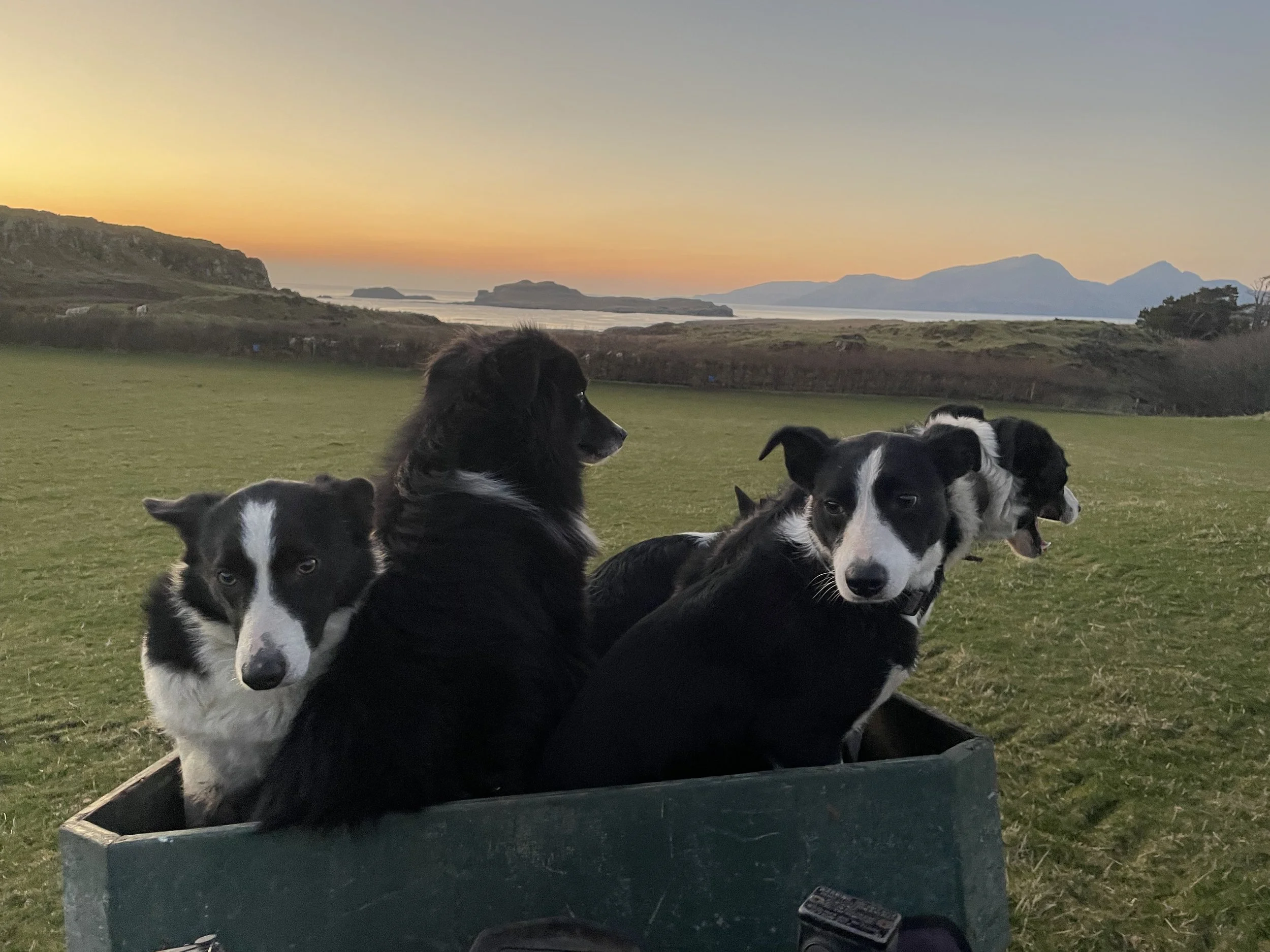
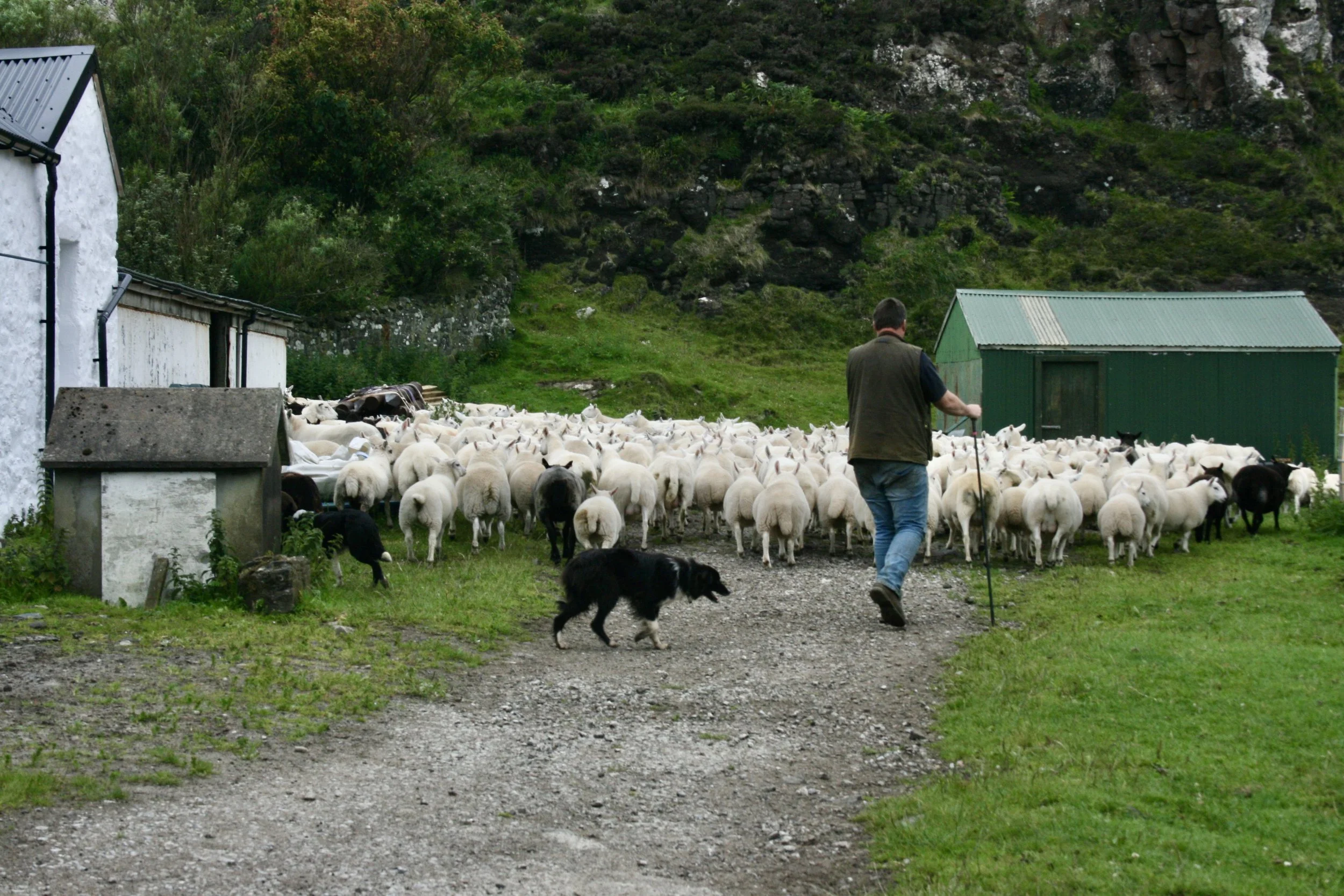
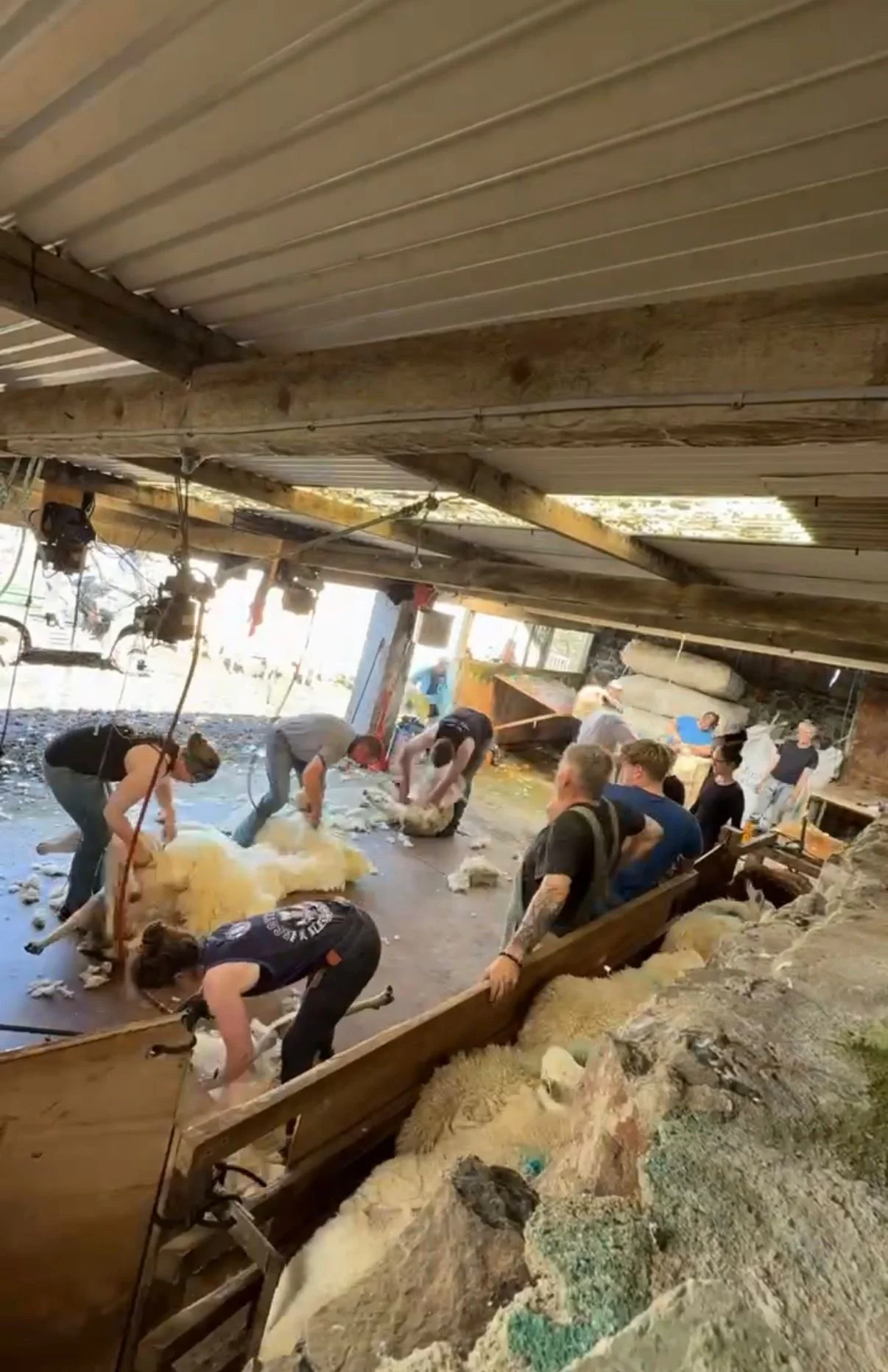
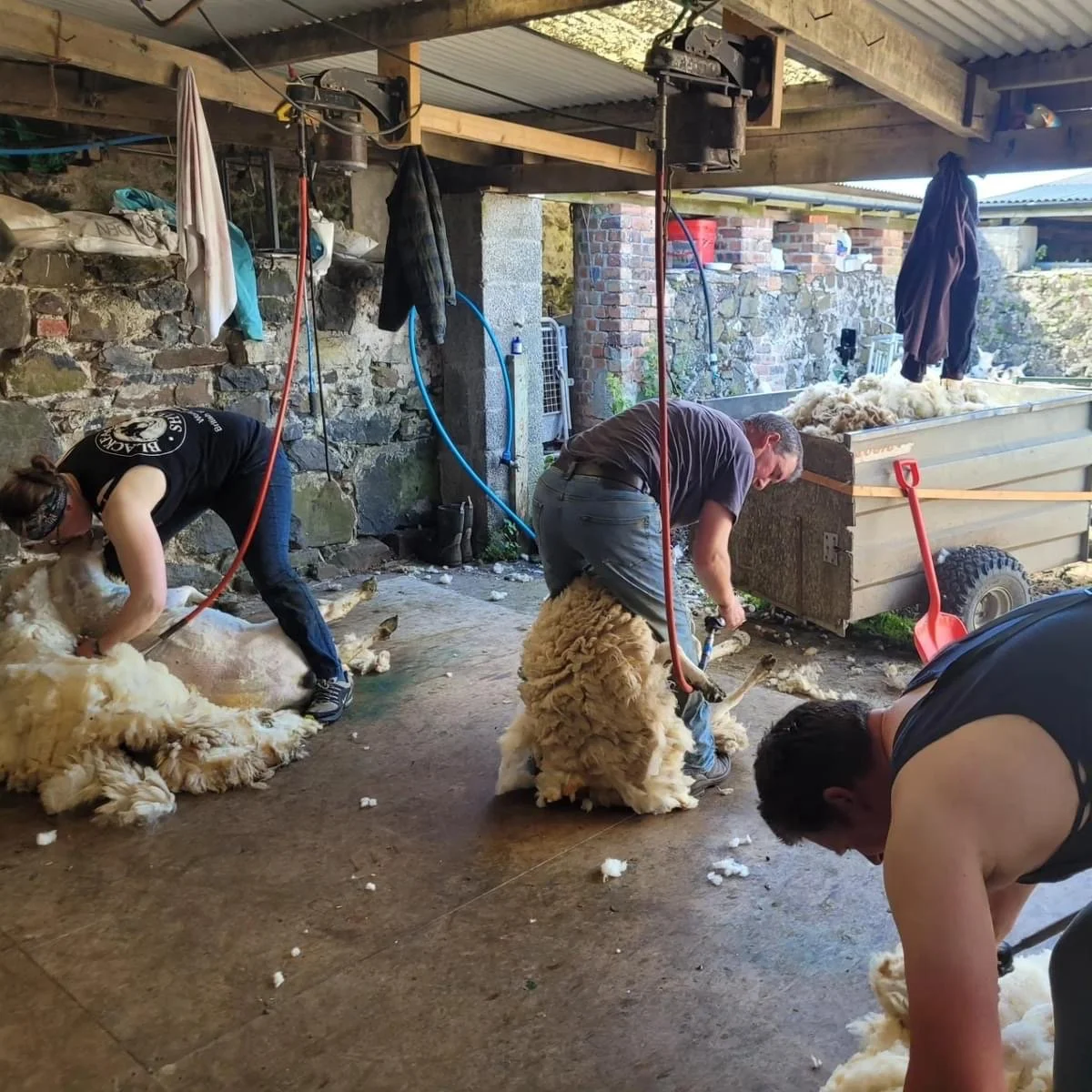
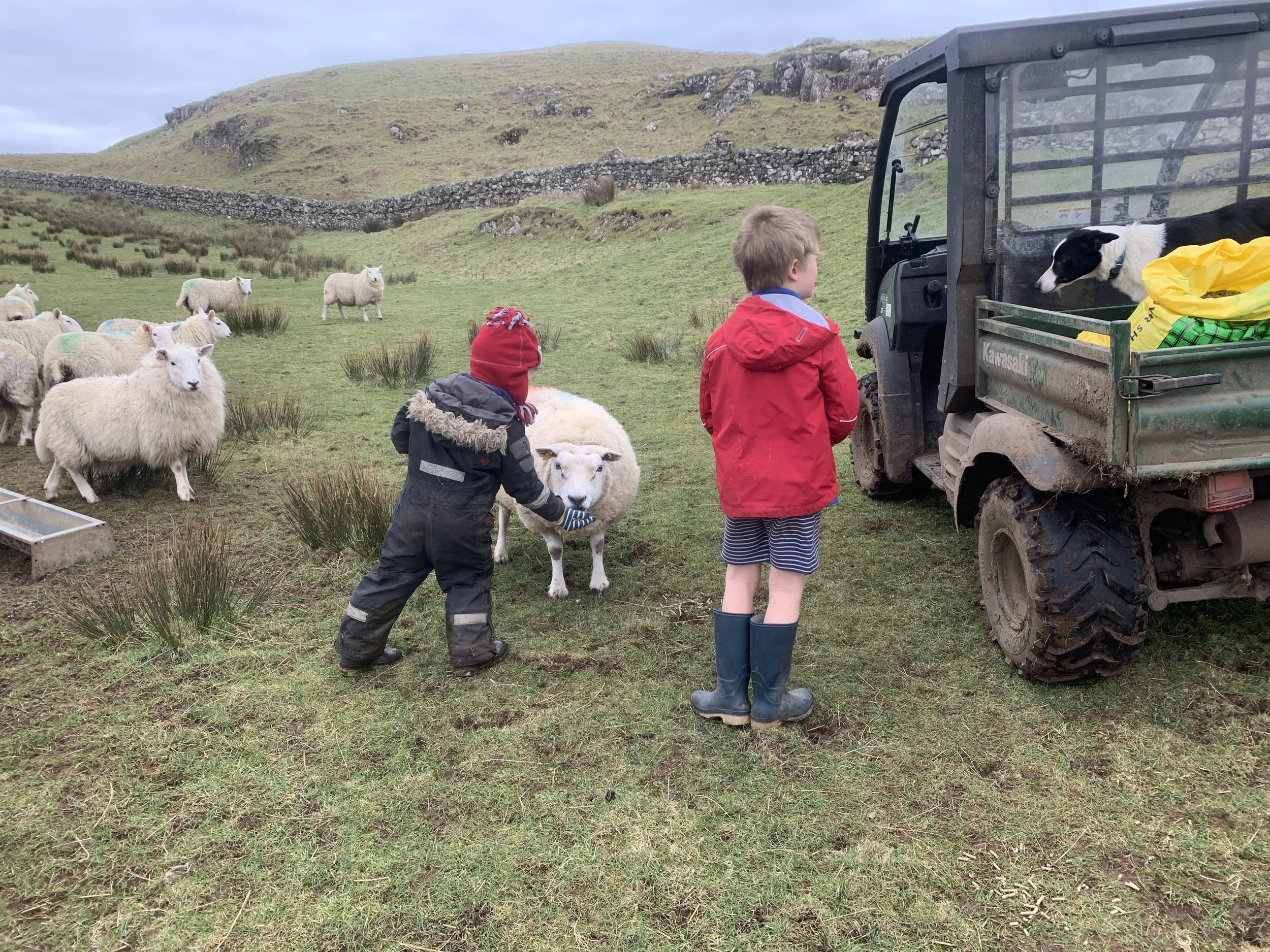
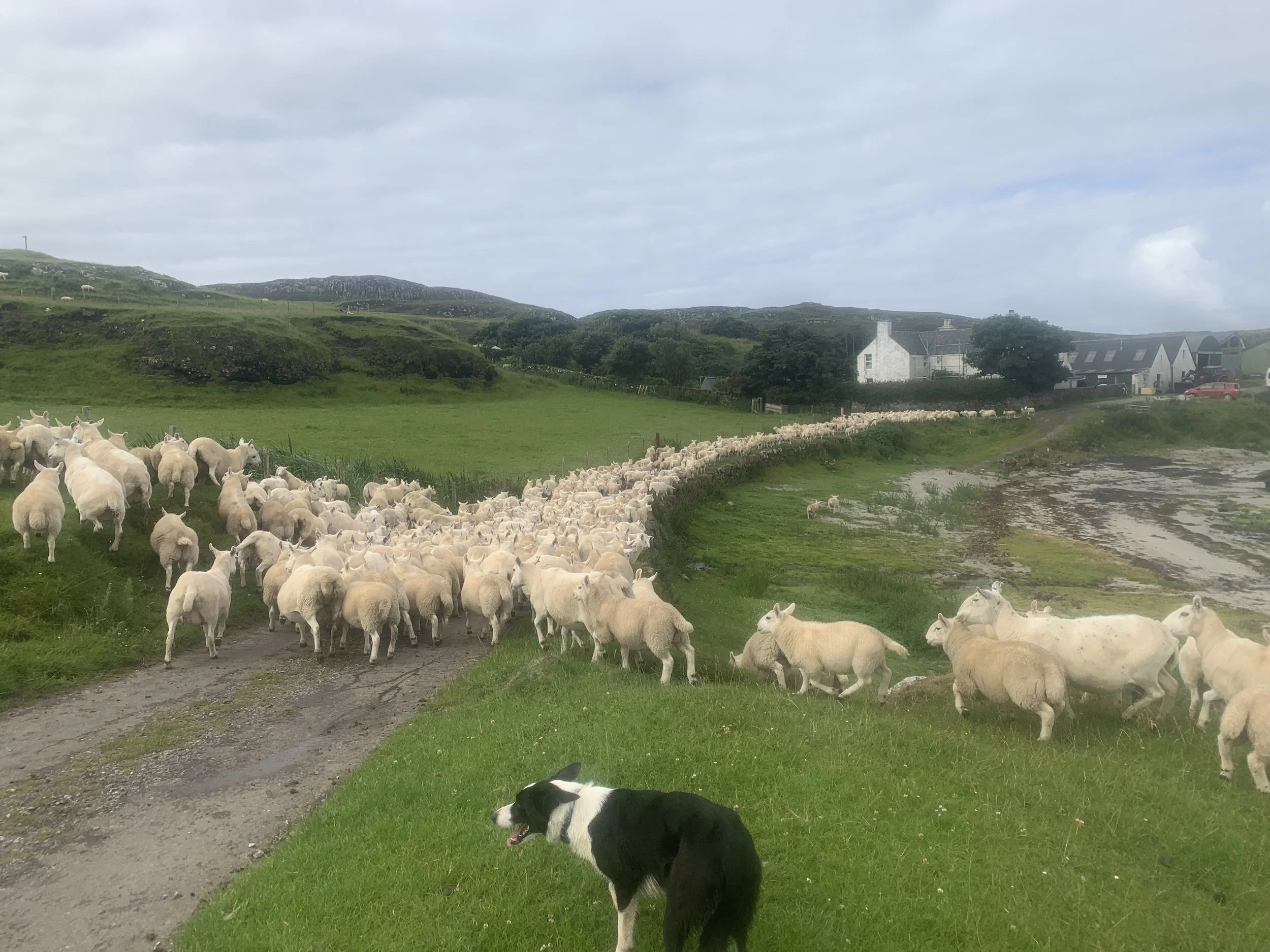
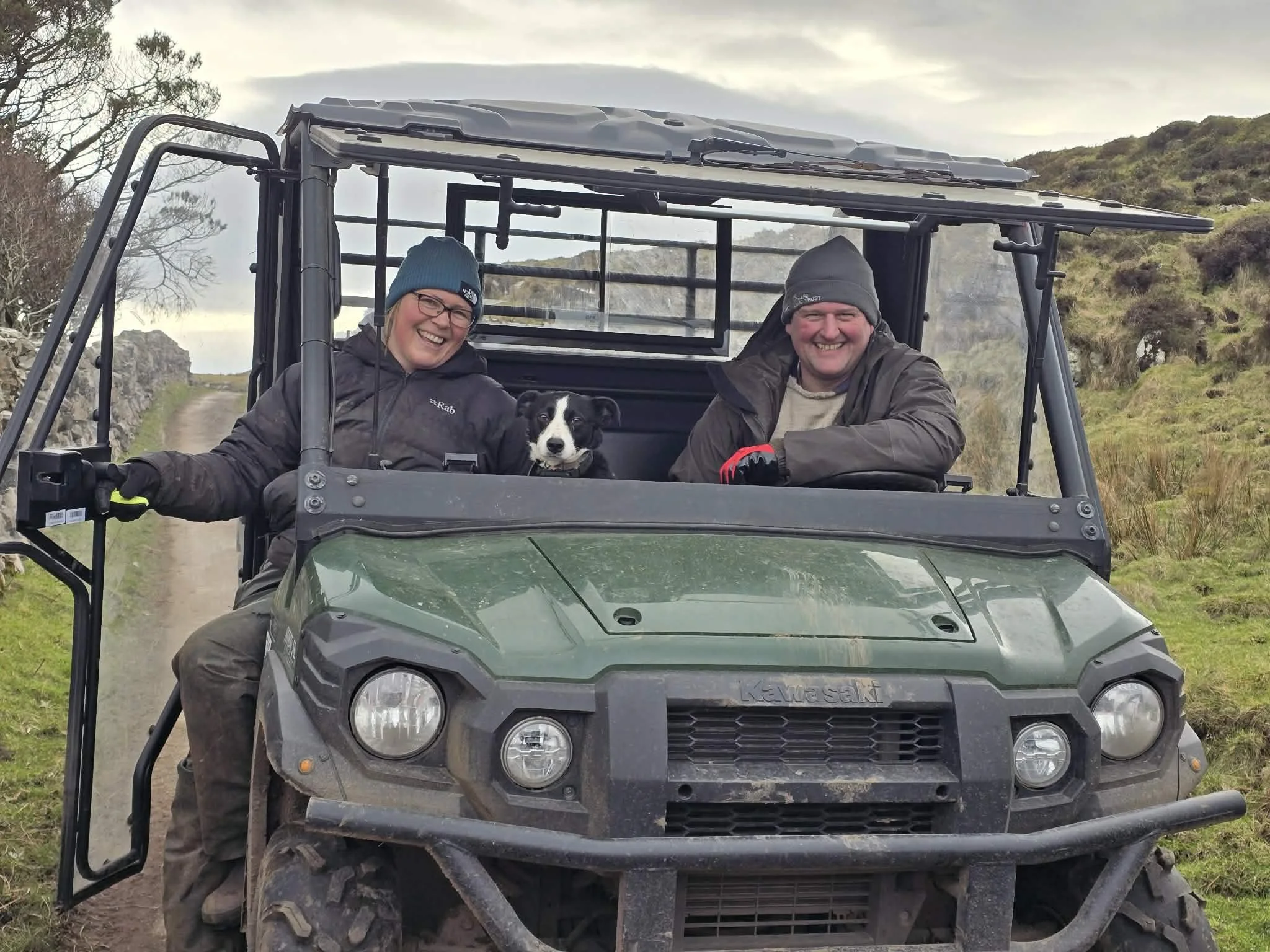
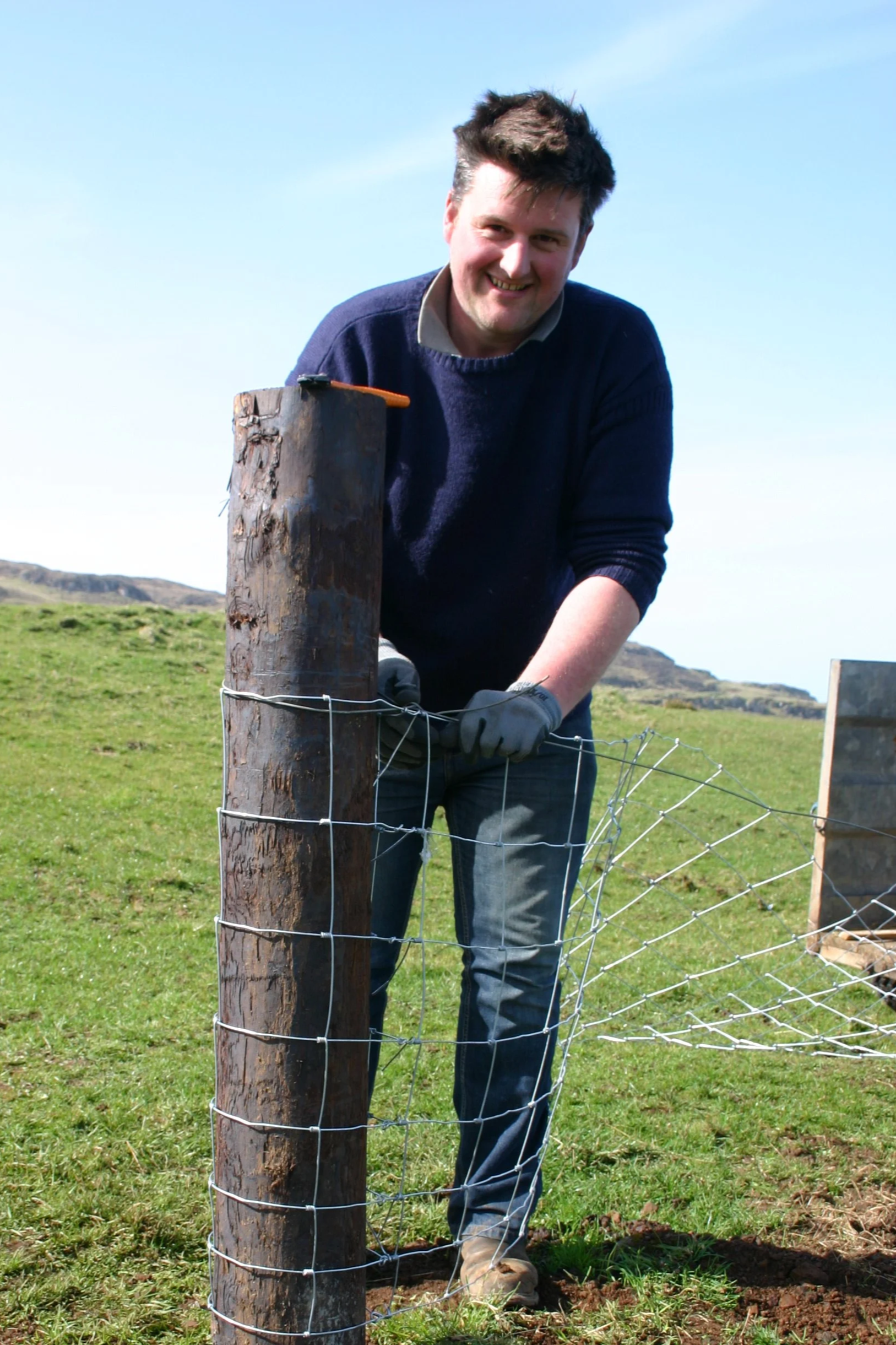
The Isle of Muck is a working farm, with a smallholding near the piers run by local fisherman Sandy and his wife Vicky and the rest of the island operating as a sheep and cattle farm. Farming plays a central role in the island’s economy and way of life.
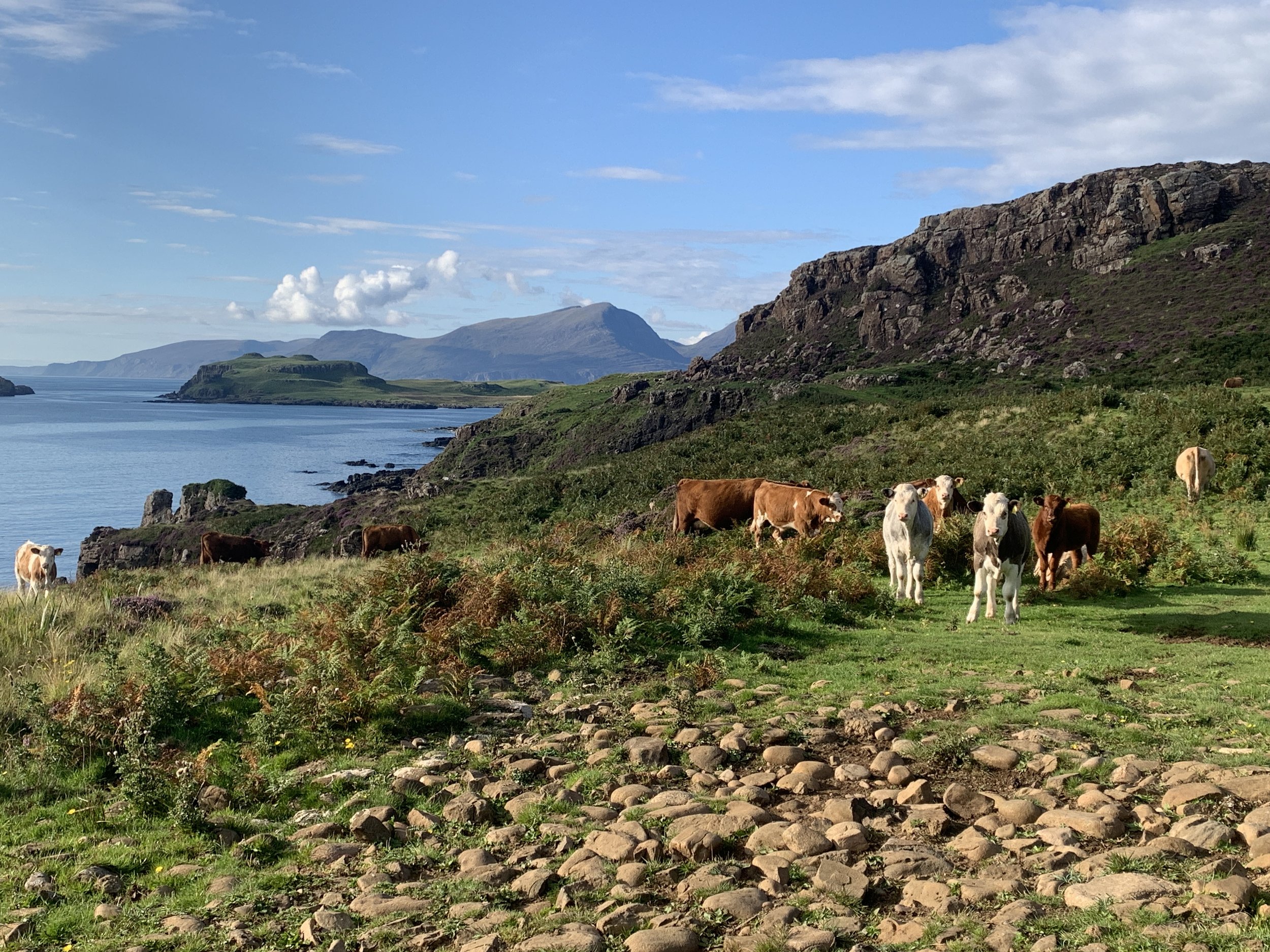
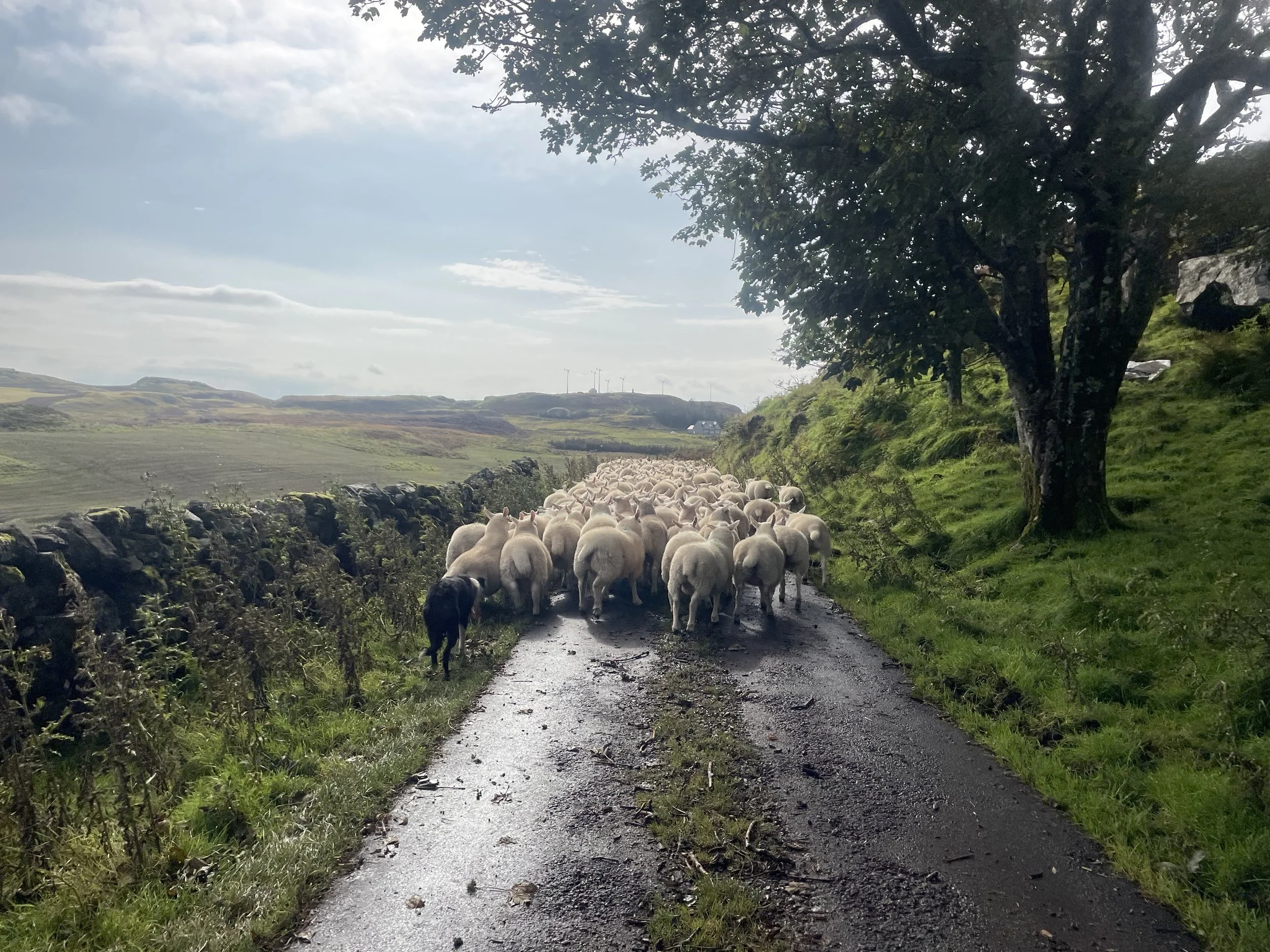
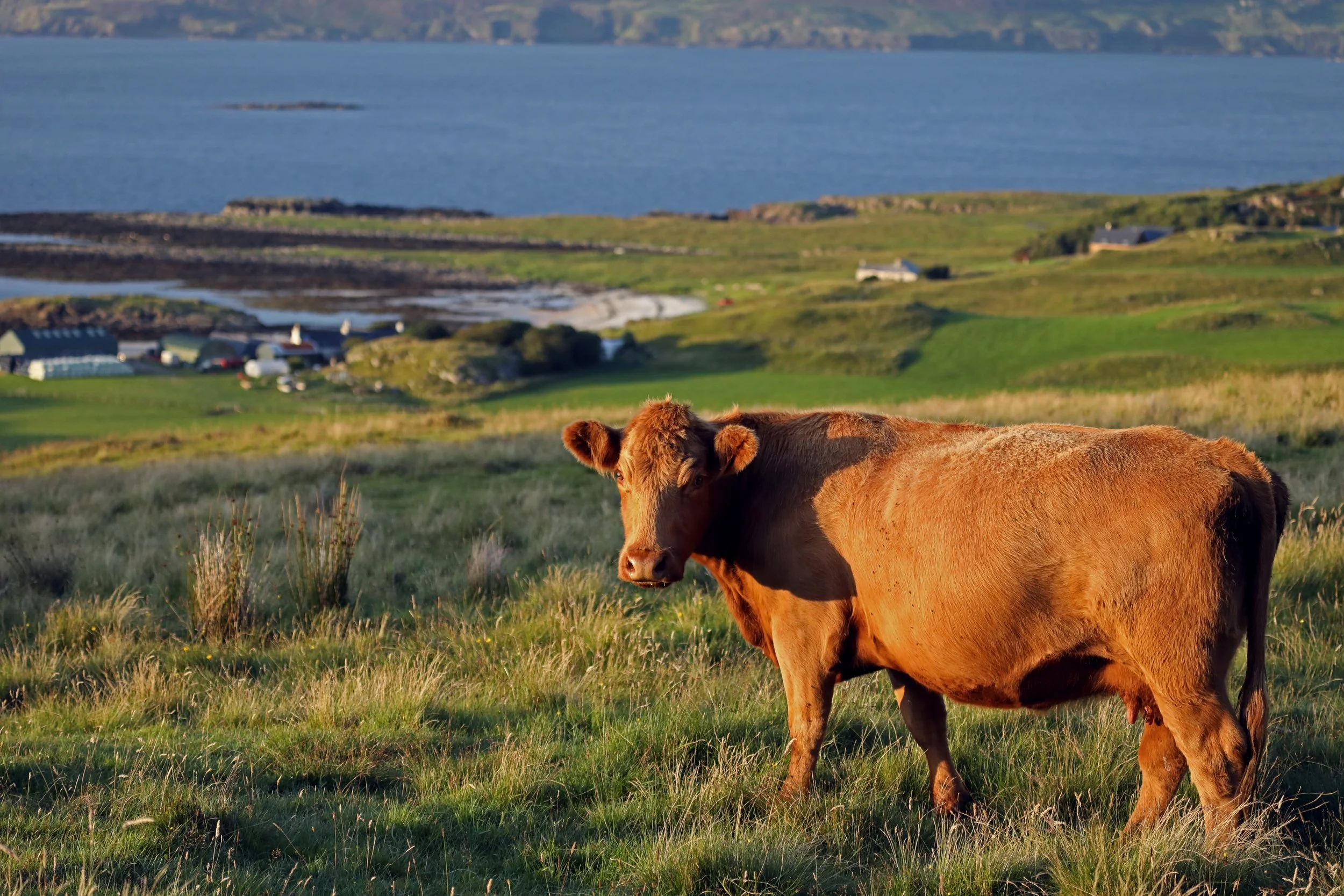
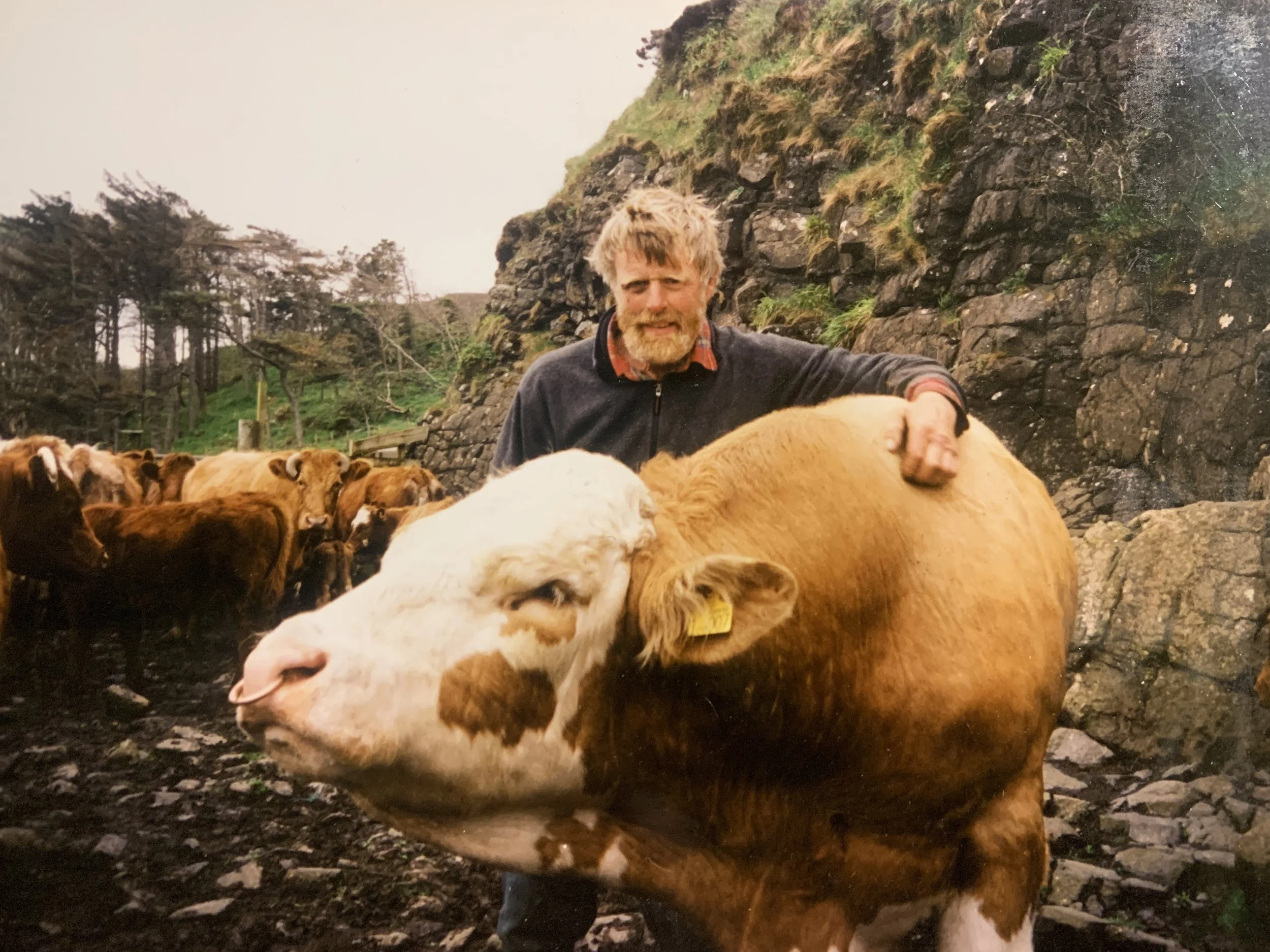
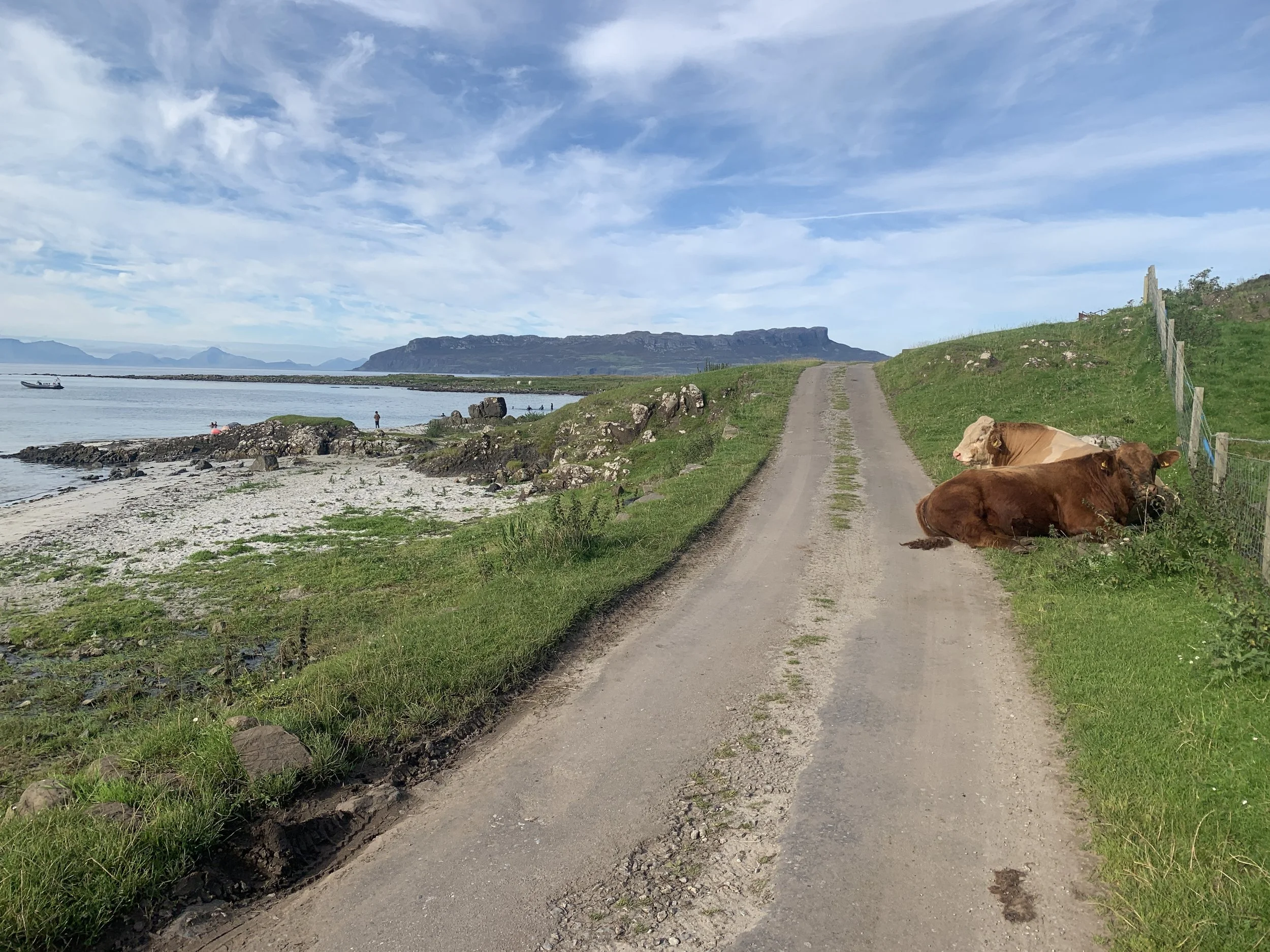
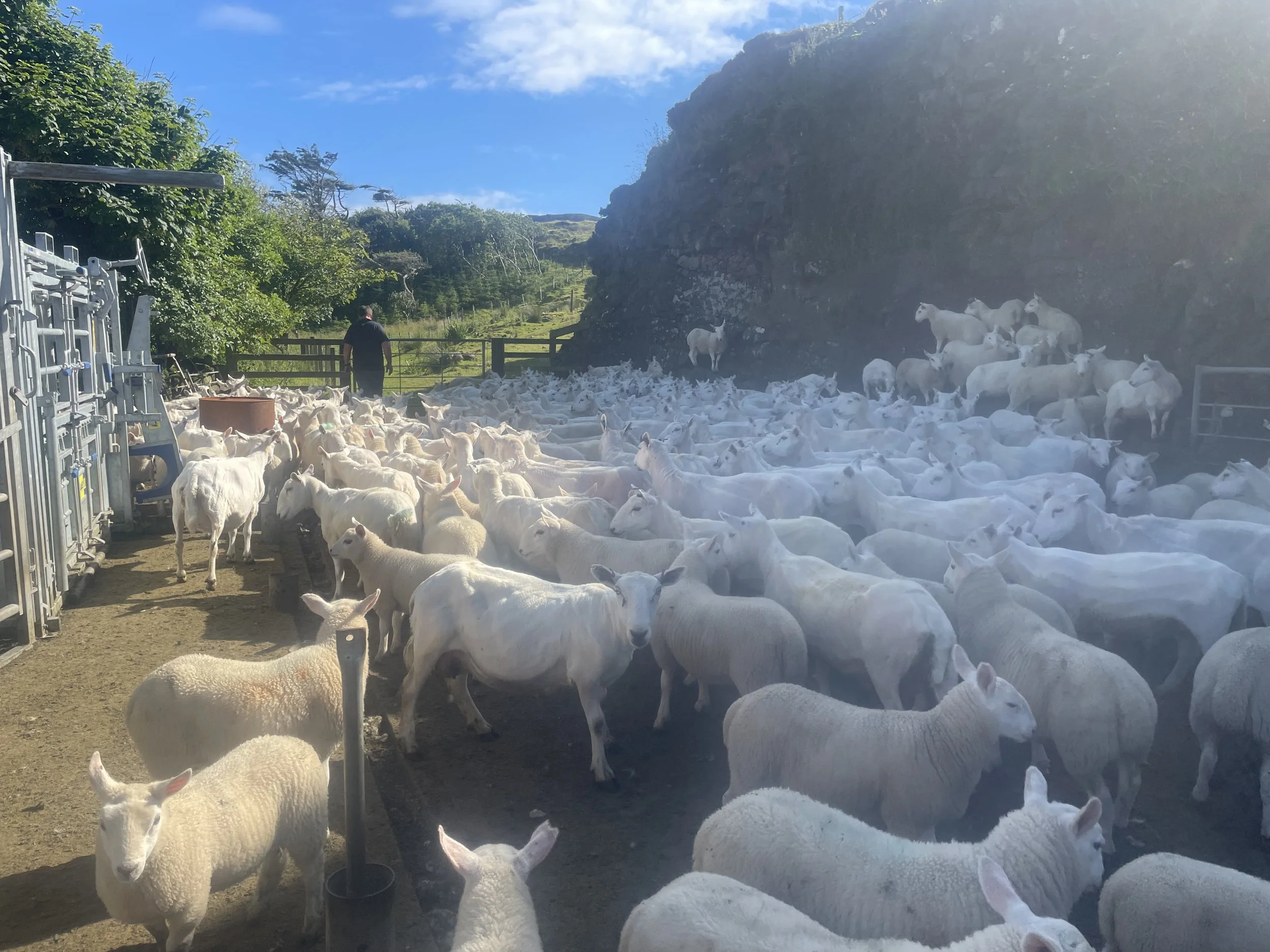
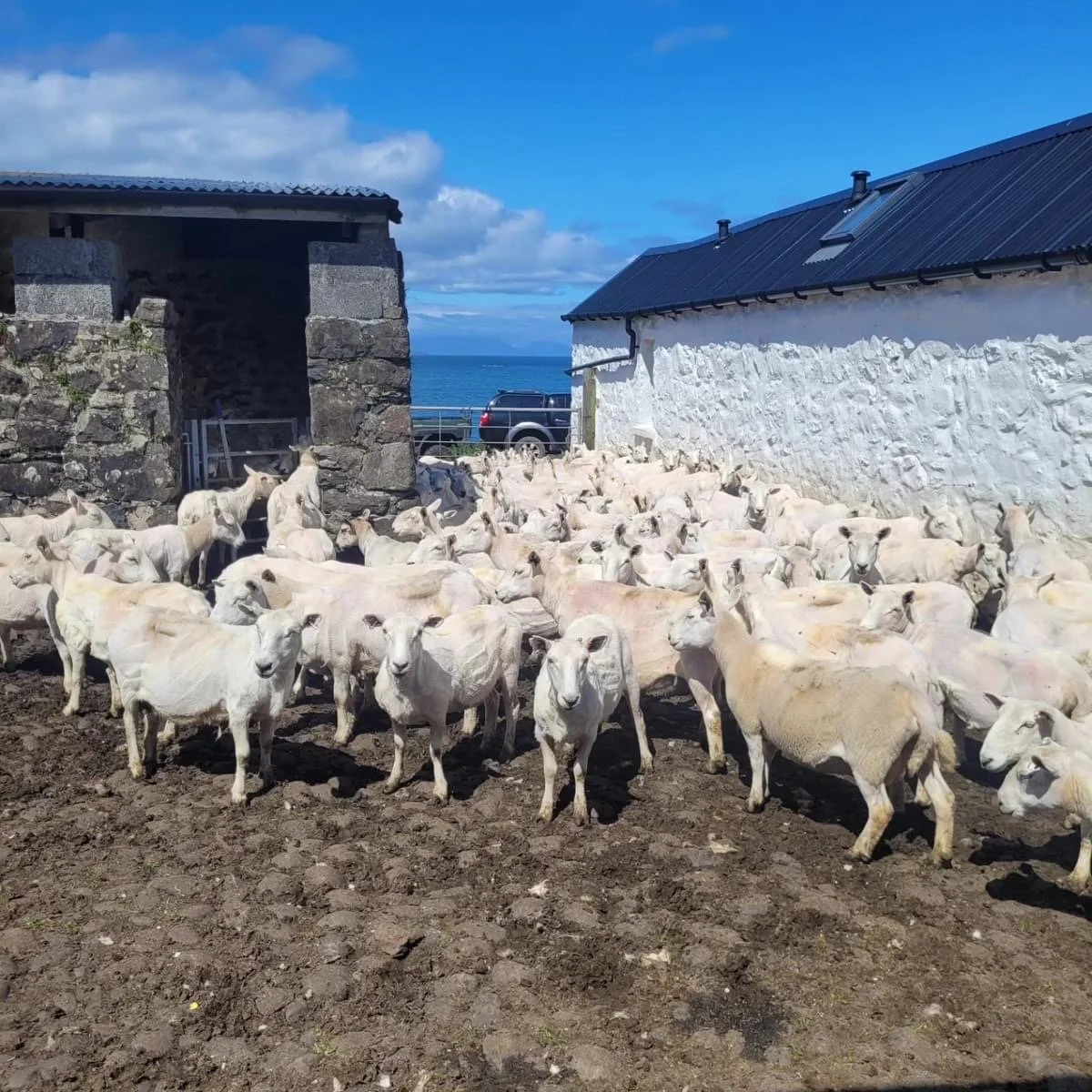
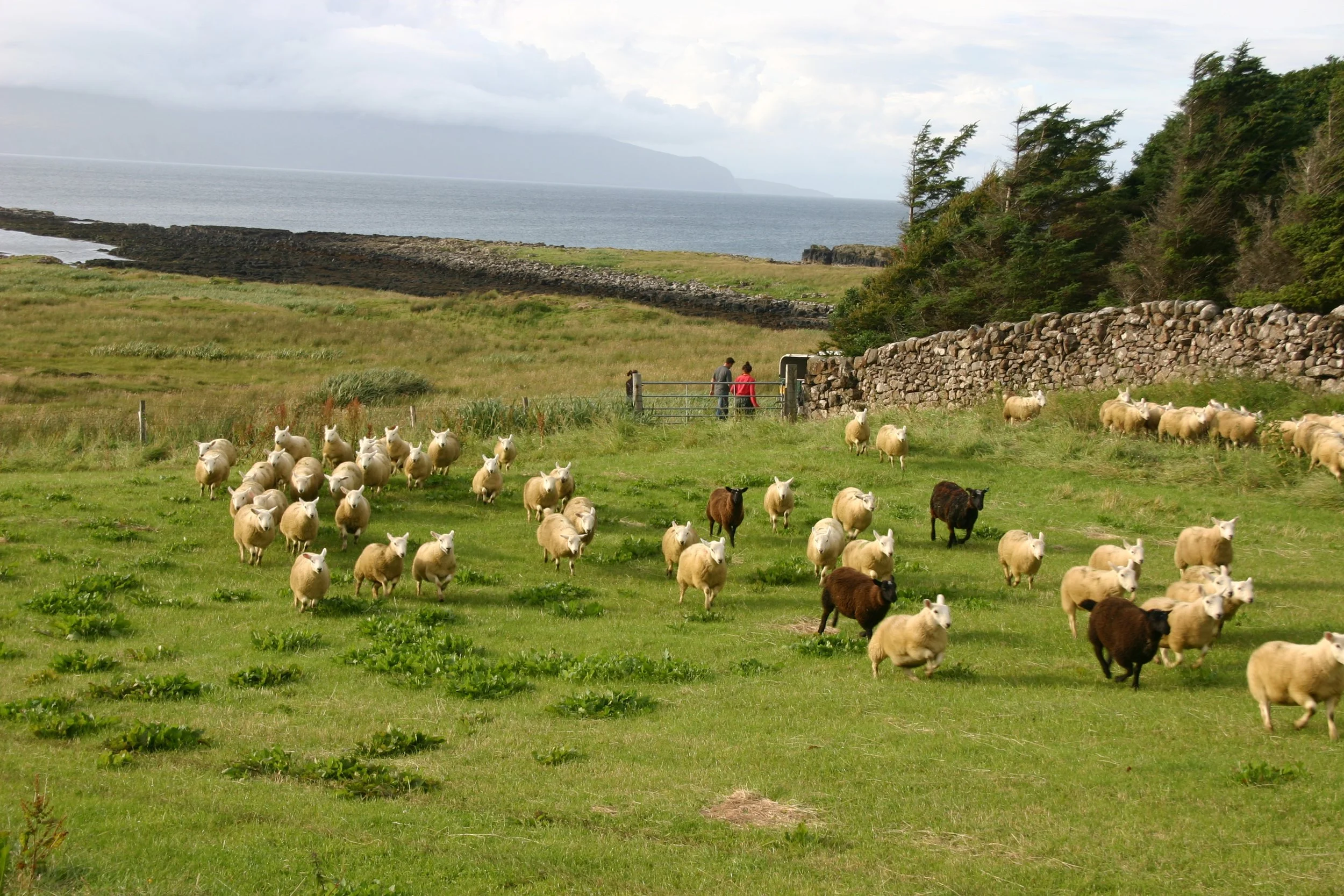
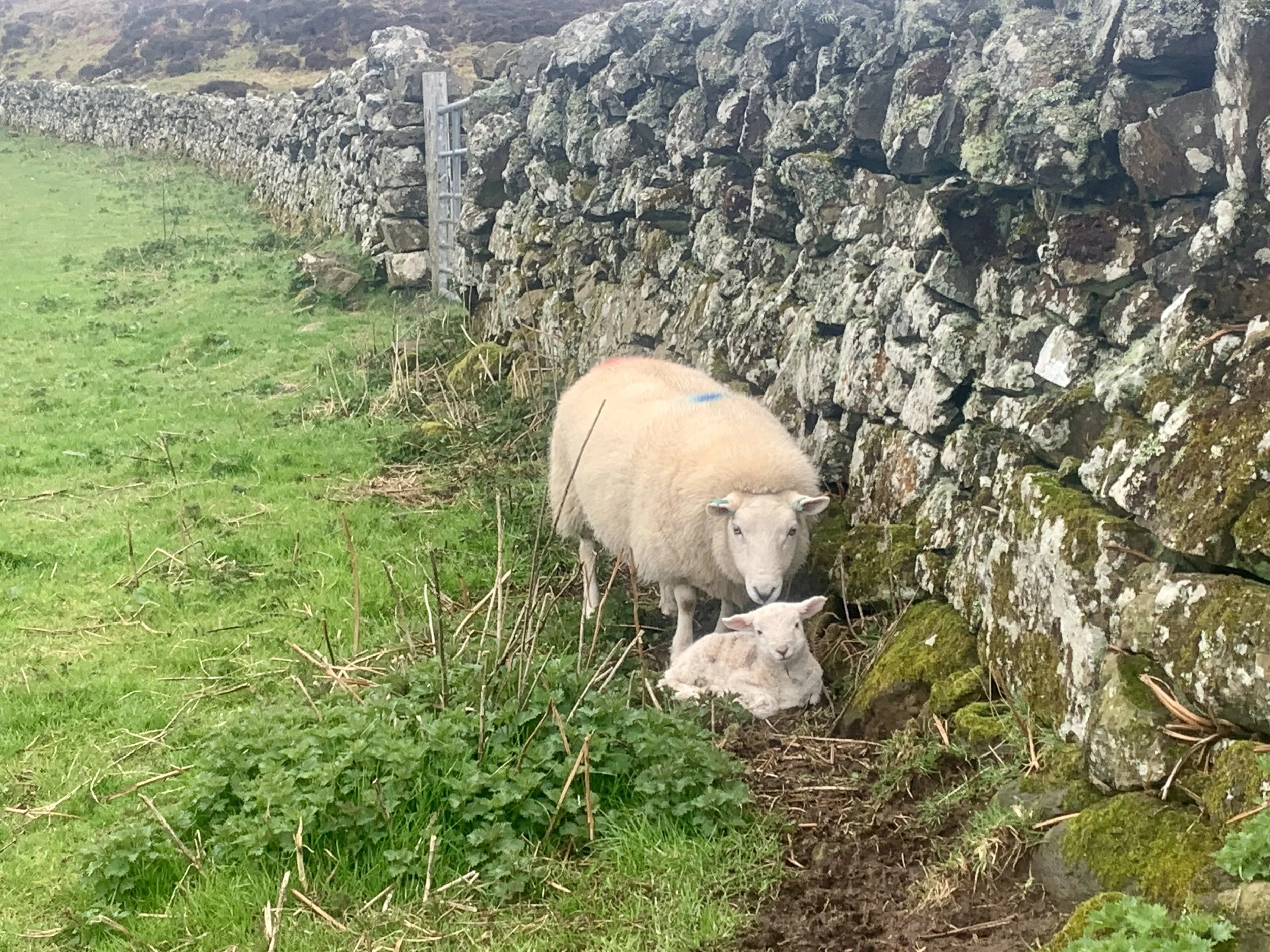
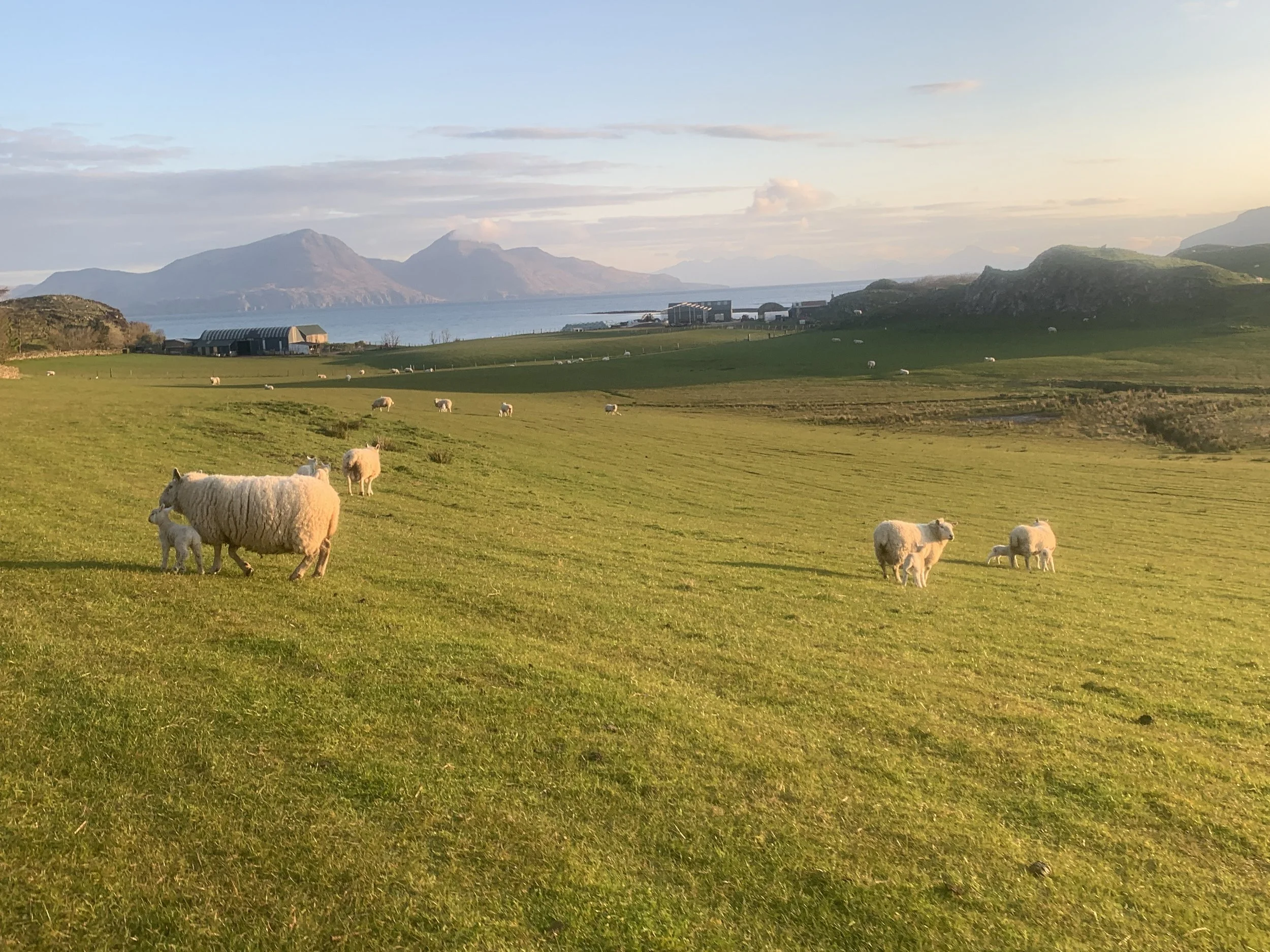
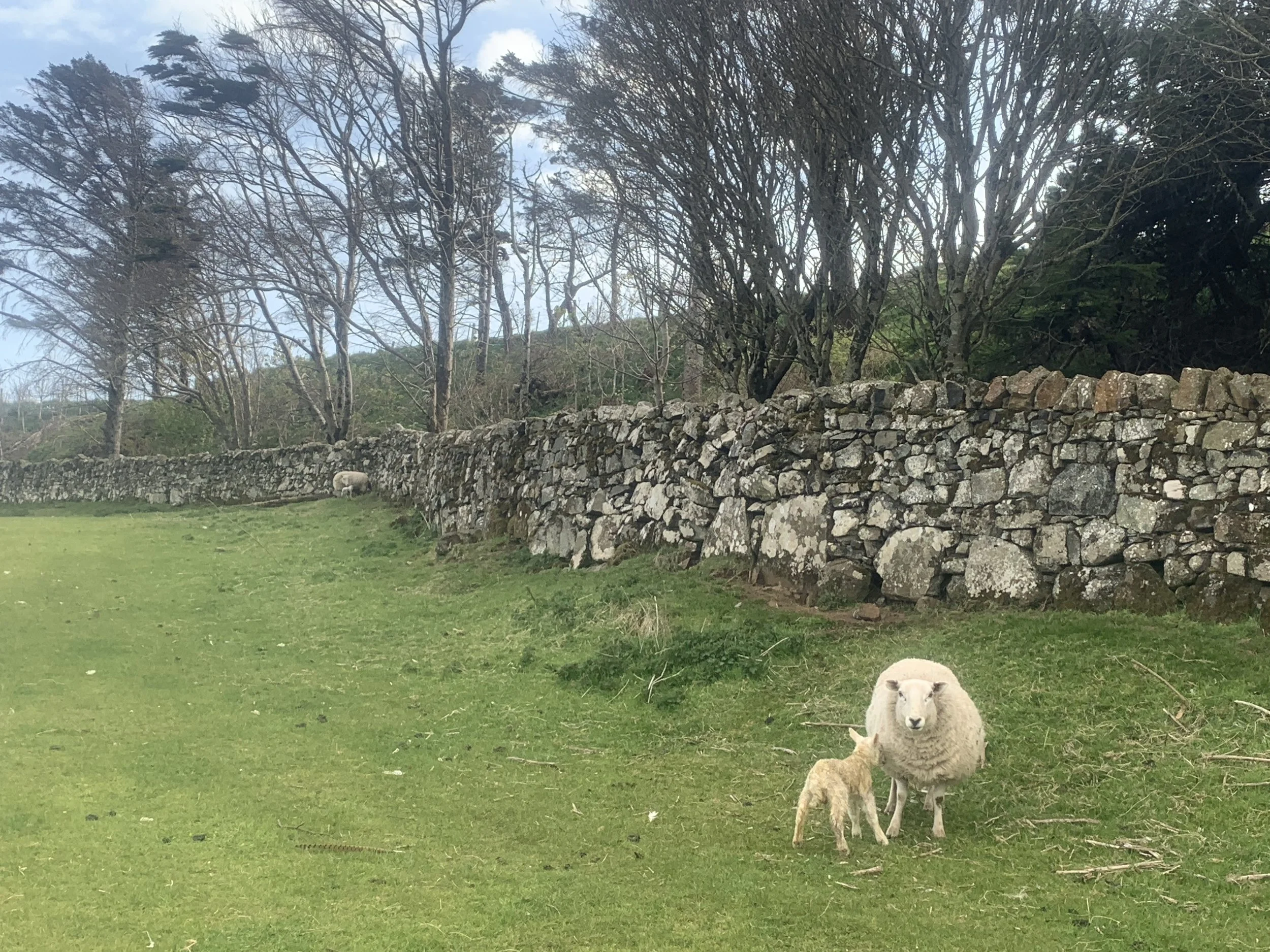
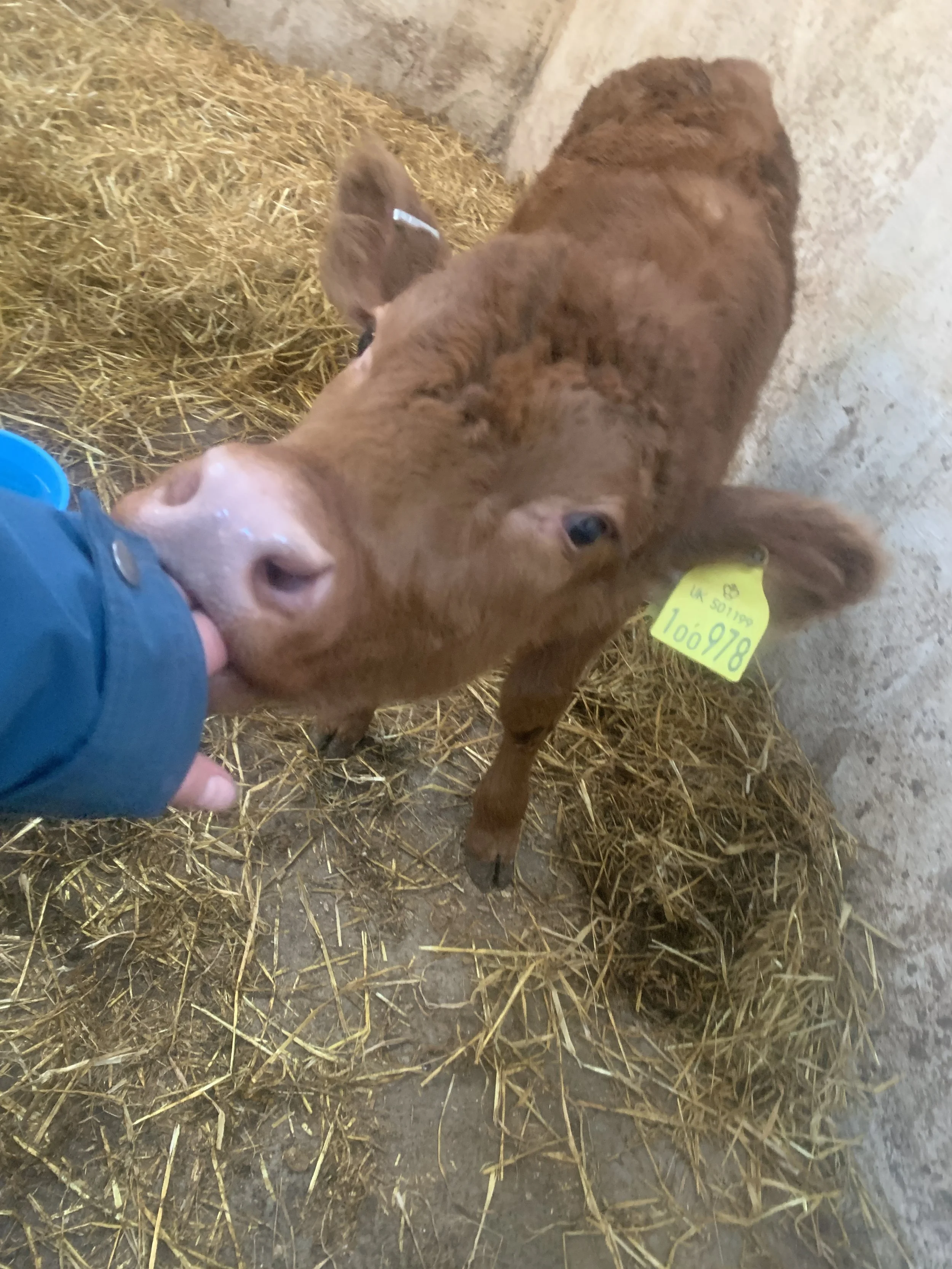
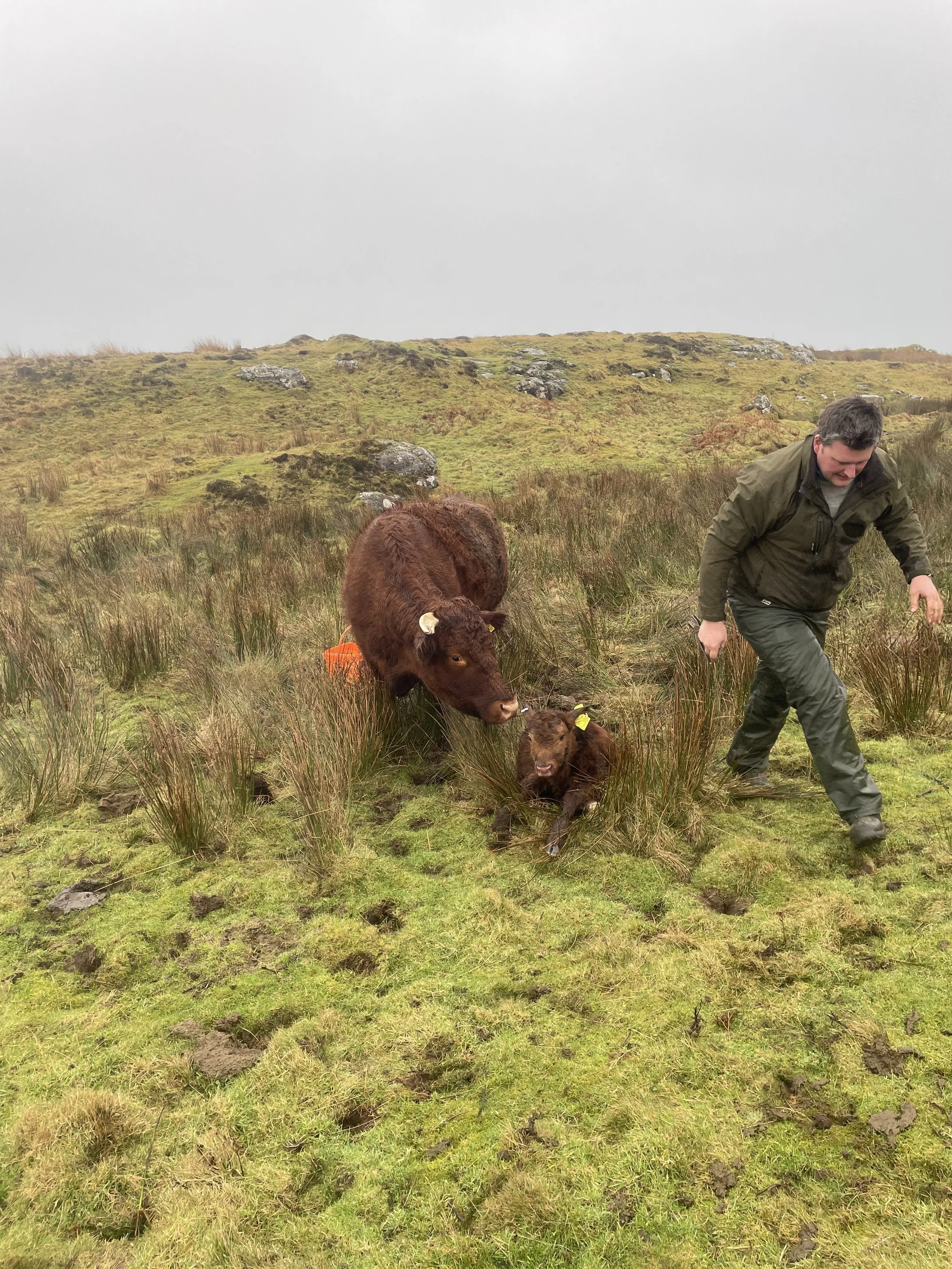
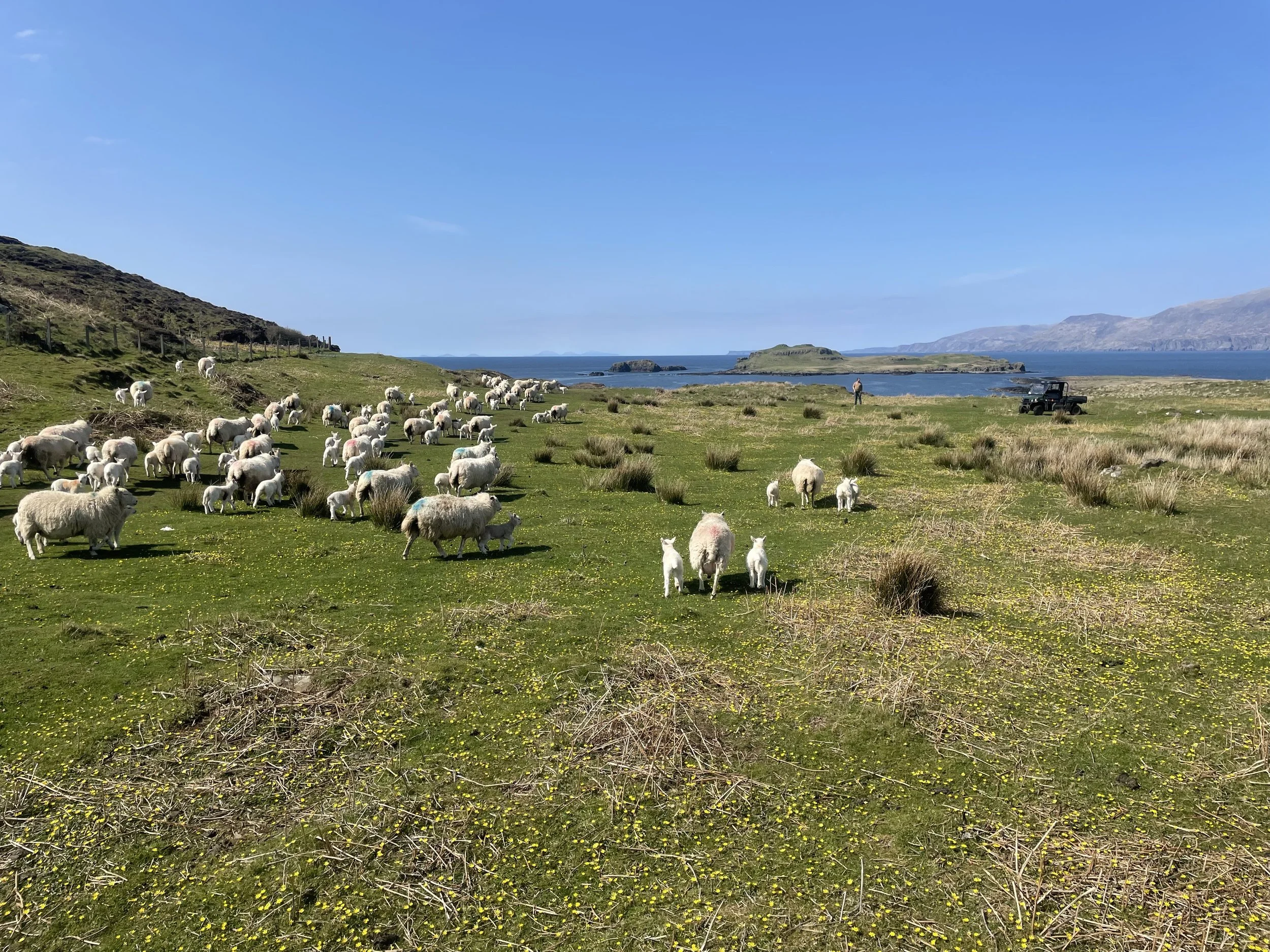
The livestock here are bred to thrive in Muck’s mild, wet, and windswept west coast conditions, with hardy North Country Cheviot sheep and Luing cattle forming the backbone of the farm. These breeds are chosen for their resilience, strong maternal instincts, and ability to live outdoors all year round -only the bulls are housed briefly during winter calving.
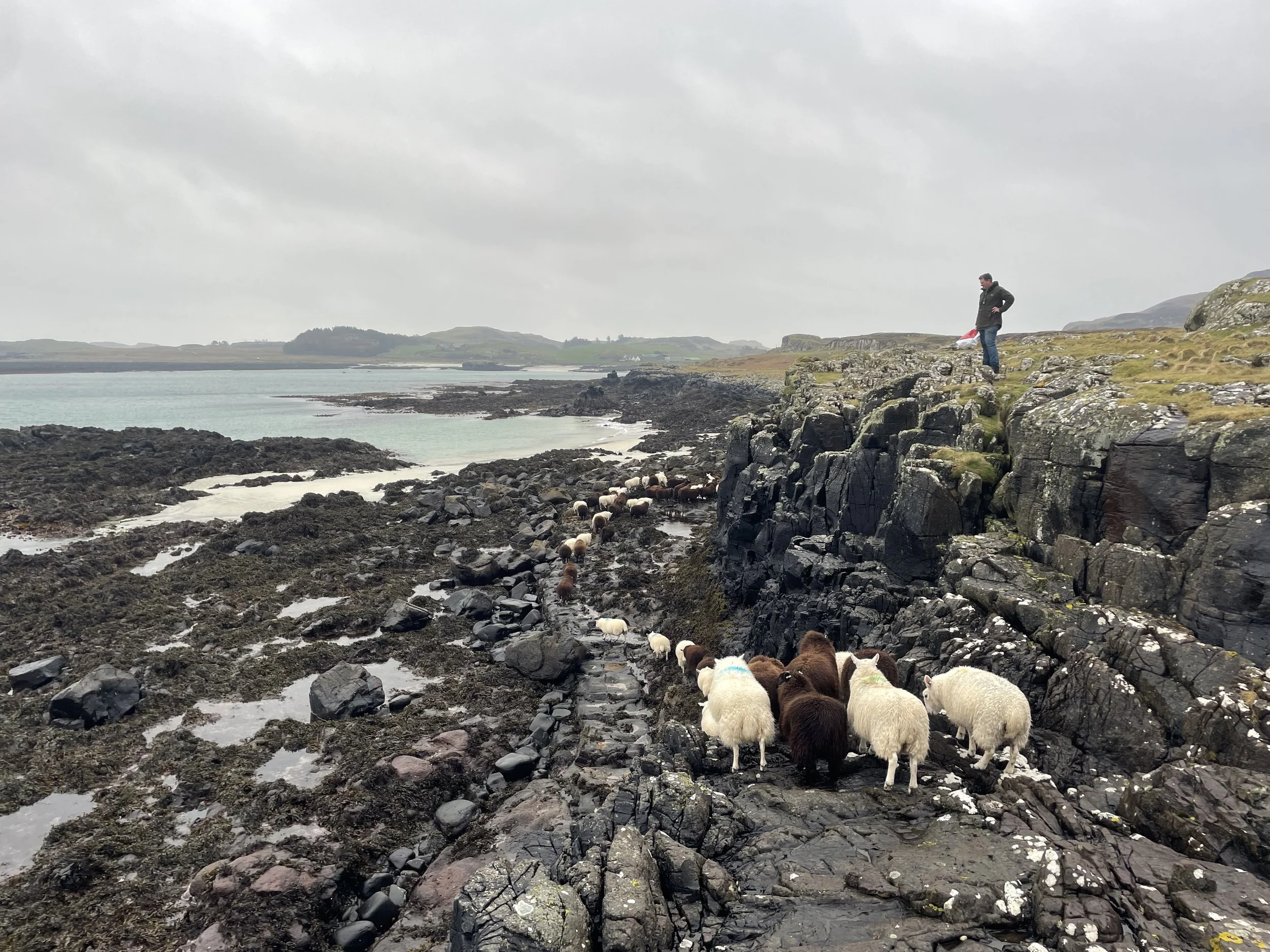
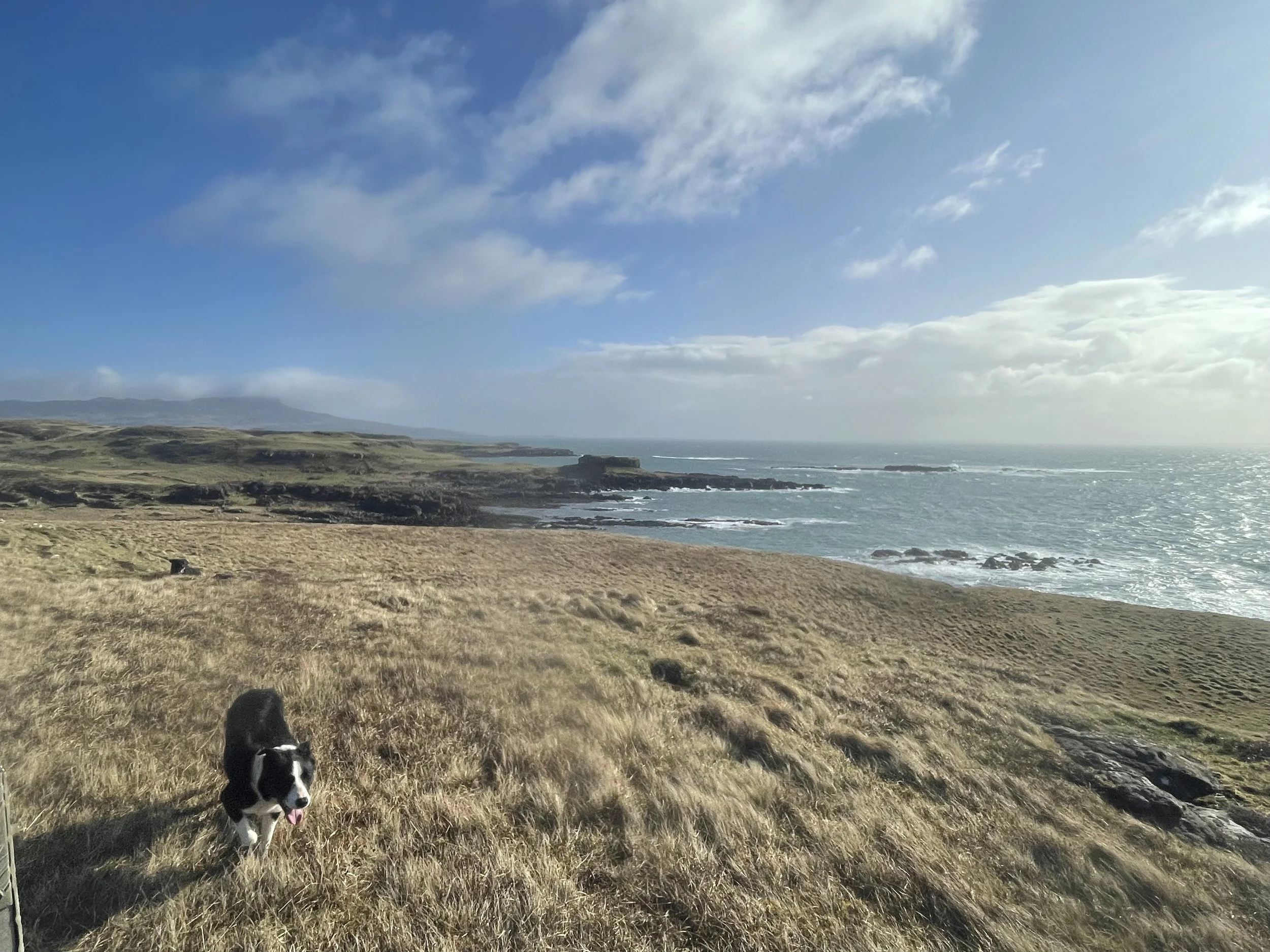
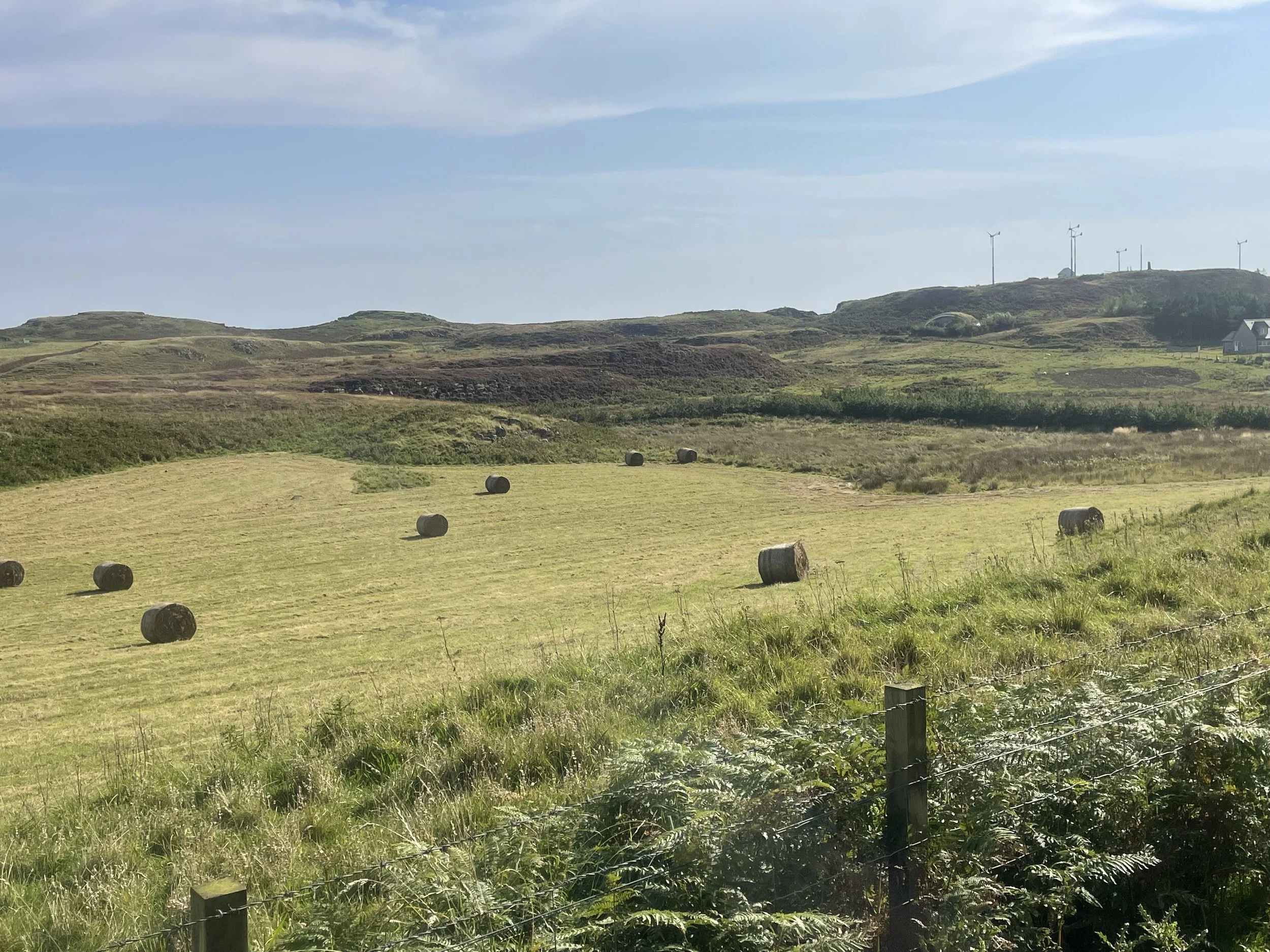
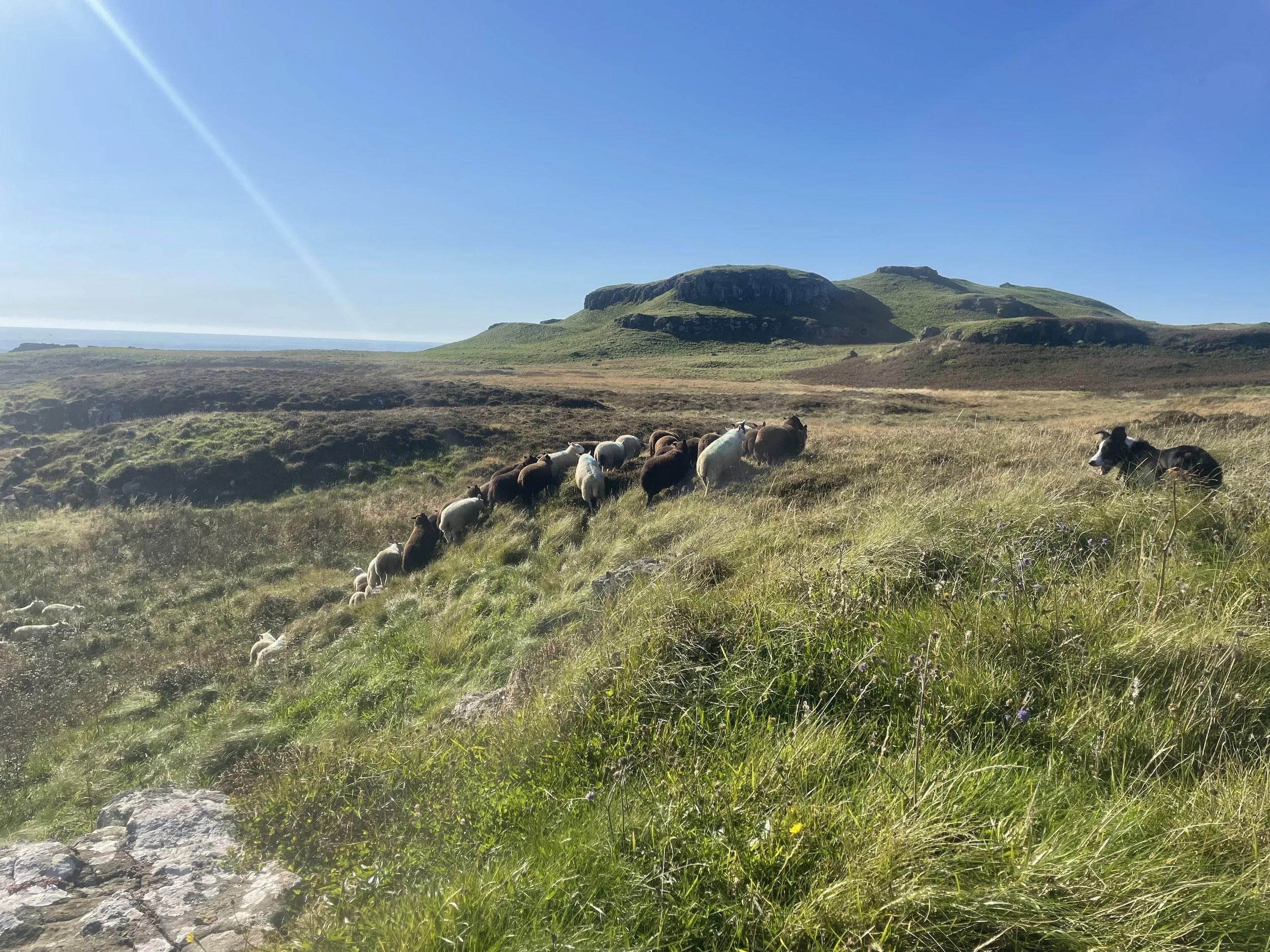
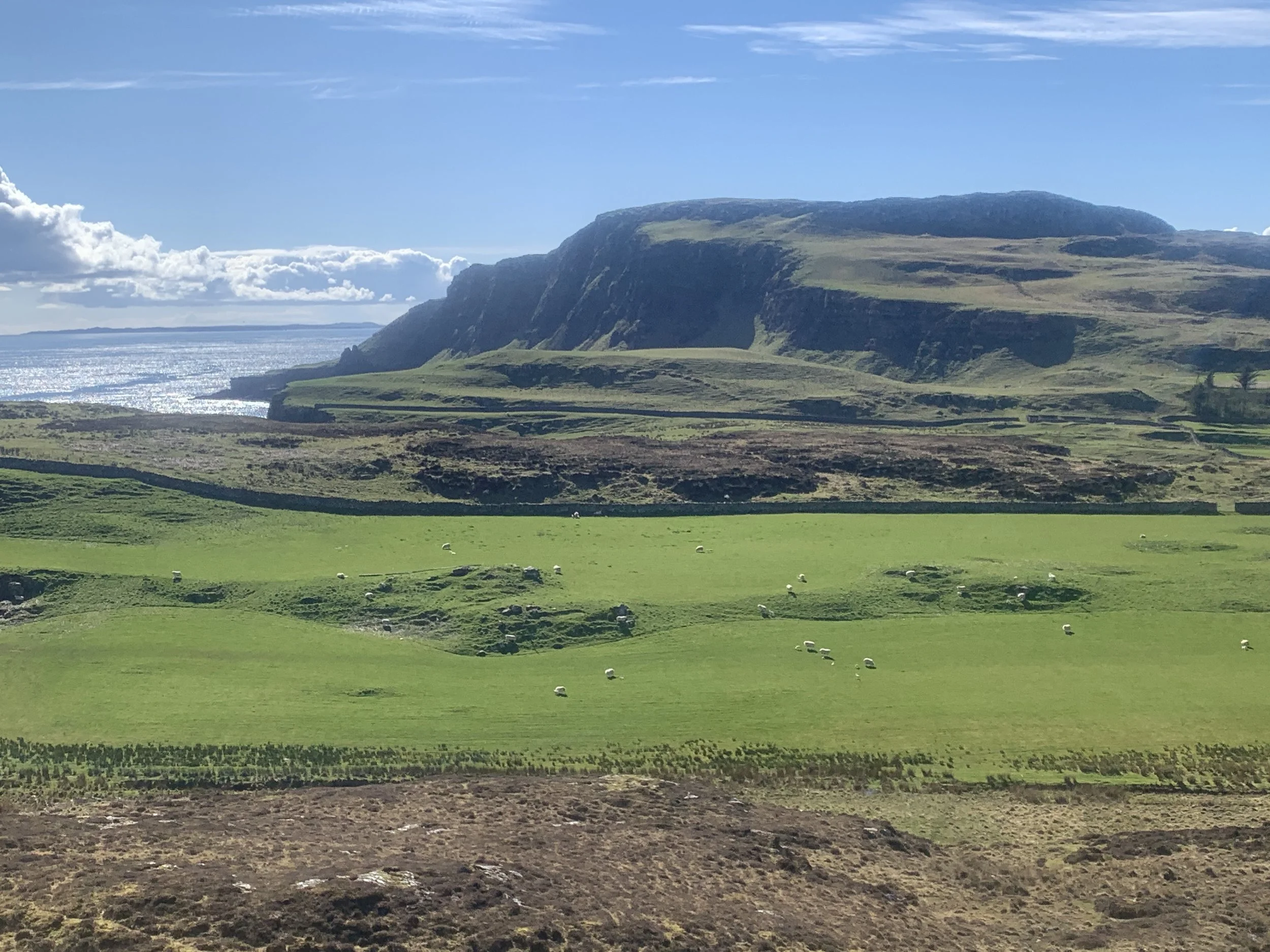
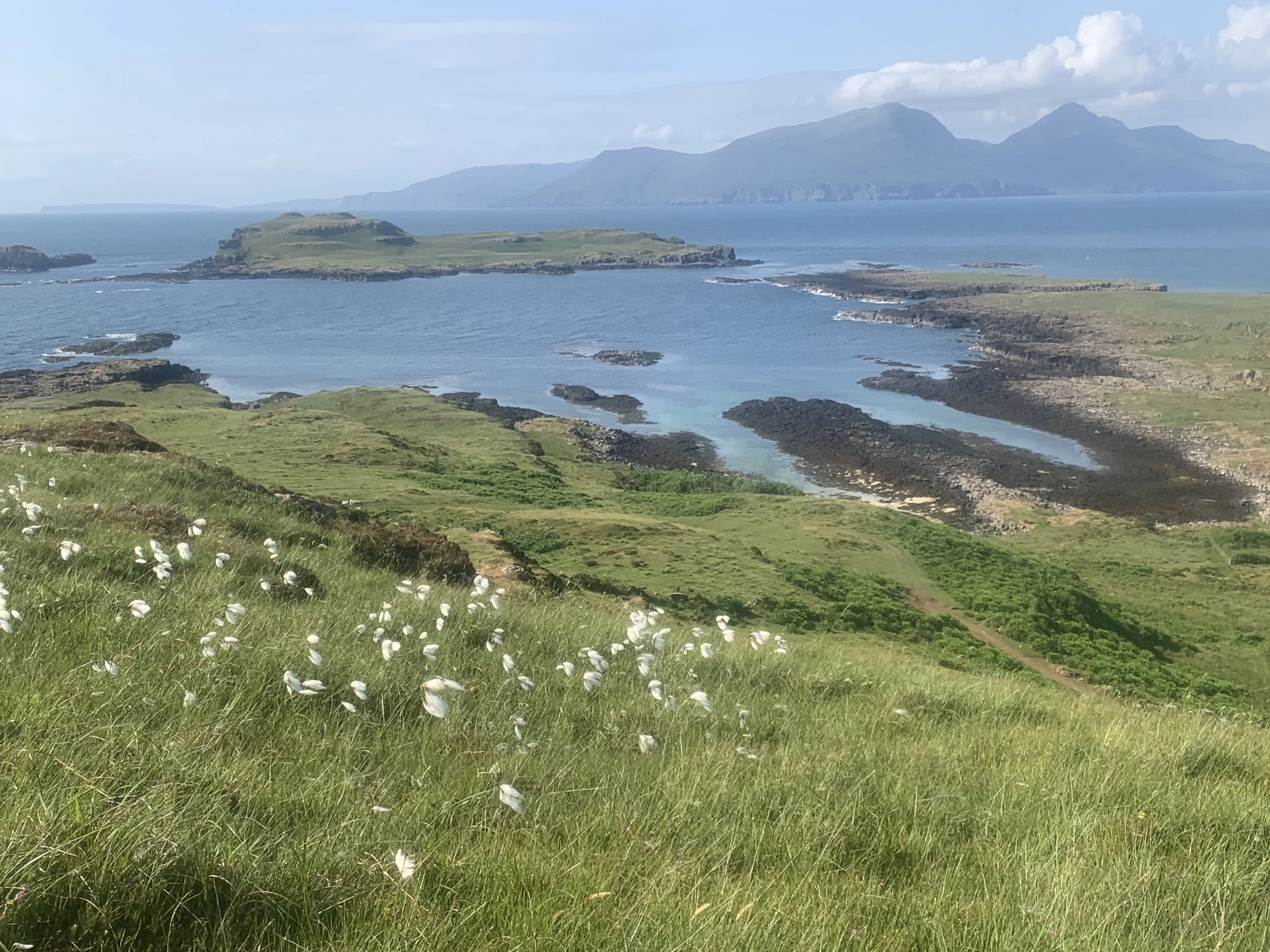
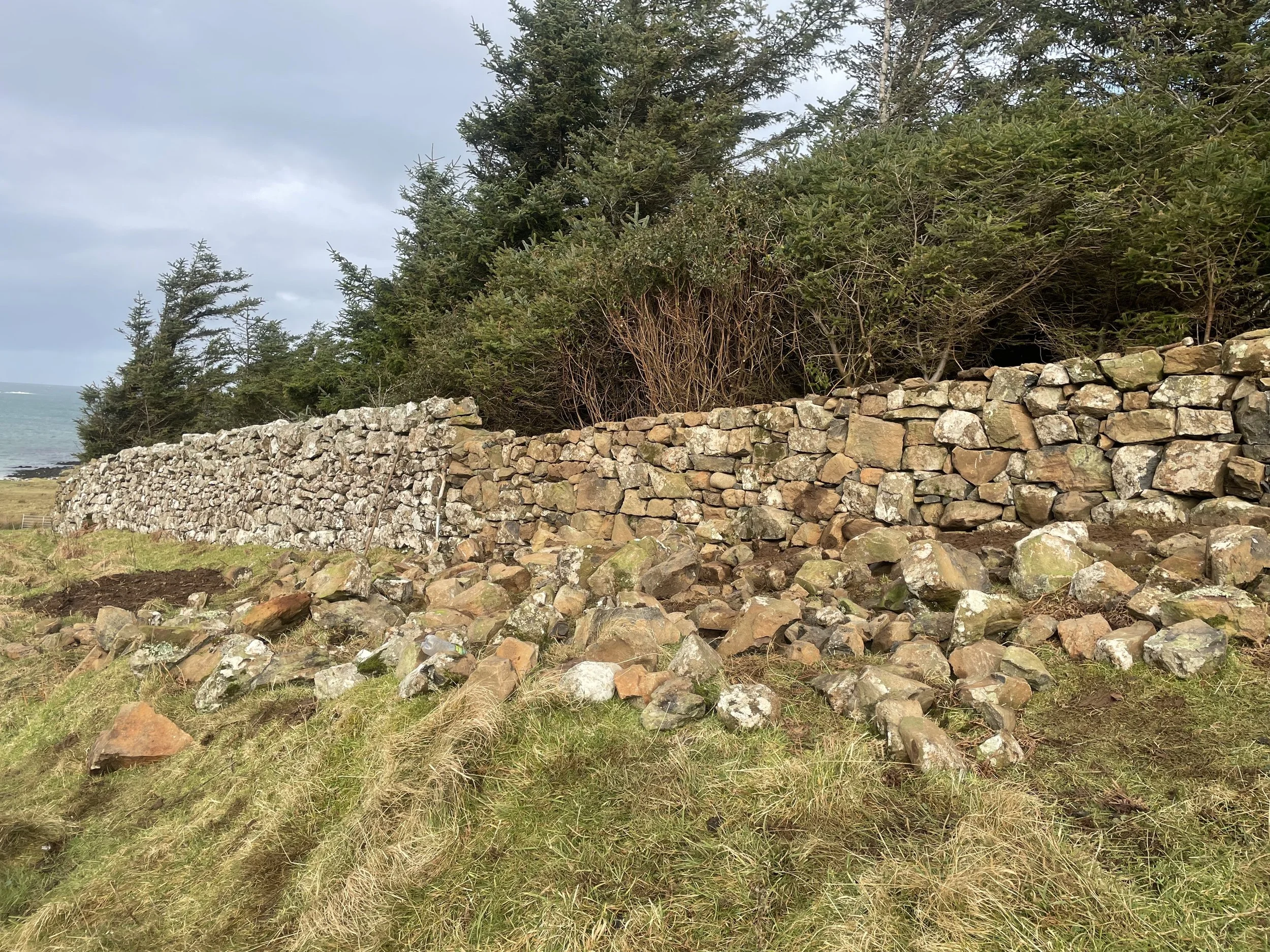
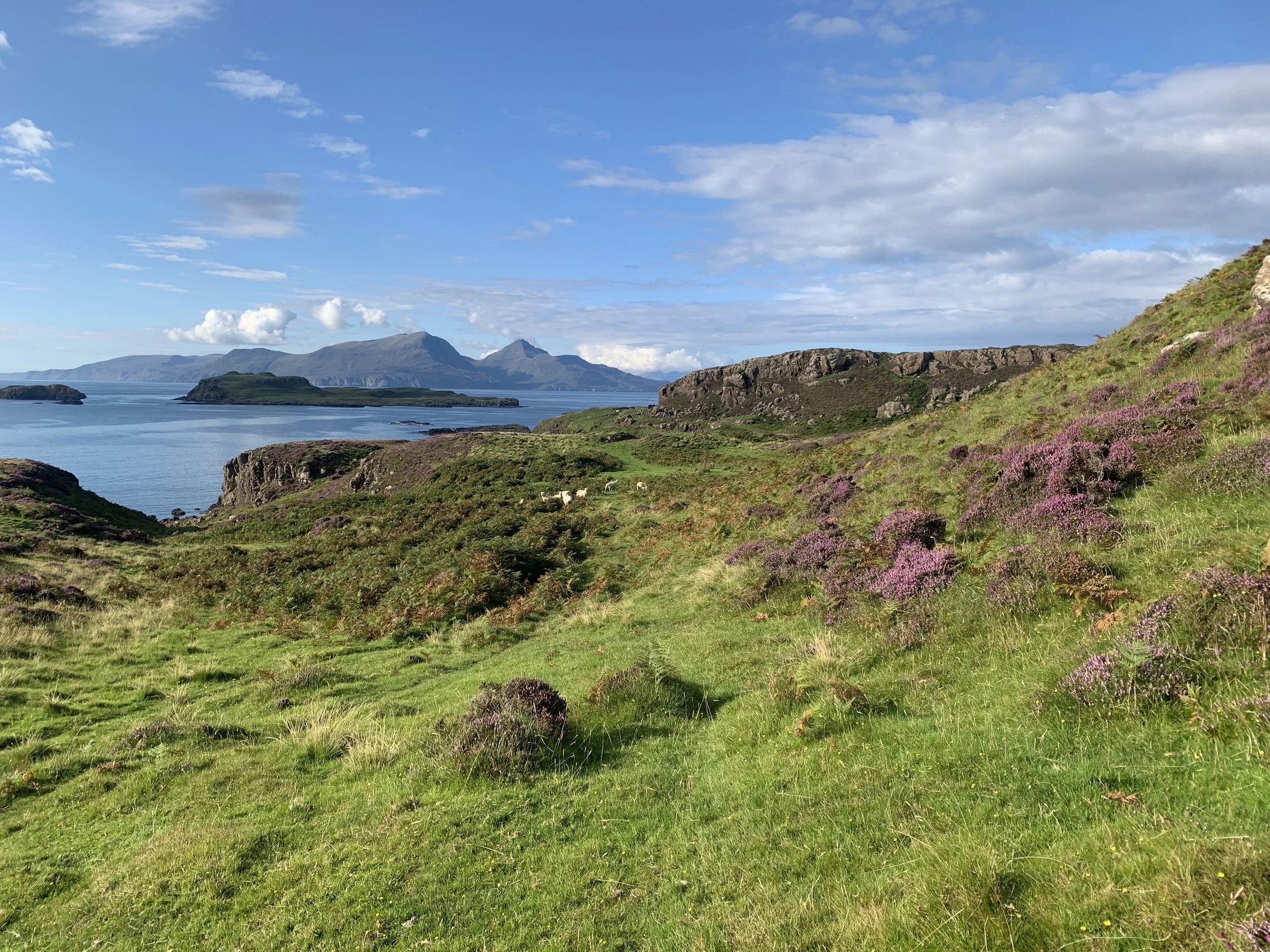
The island’s basalt geology makes for fertile grazing land from spring through early autumn, supplemented by silage and carefully managed feed through the harsher months. The terrain itself -scattered with hillocks, rocks, dykes, and hedgerows - offers natural shelter from gales and storms. The sheep flock is hefted to two main hills, meaning they instinctively remain on their home ground, passing down their knowledge of shelter and grazing through generations.
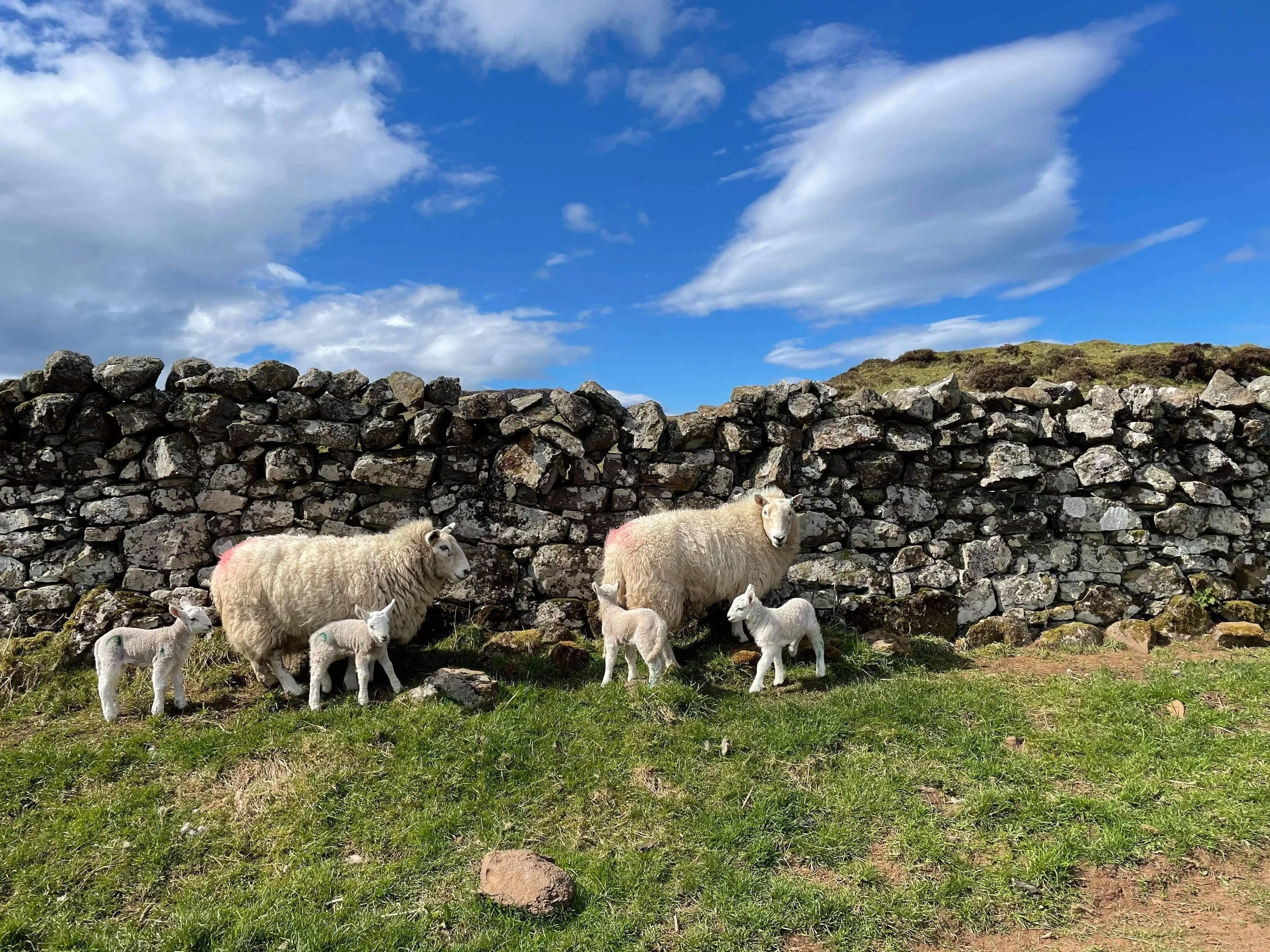
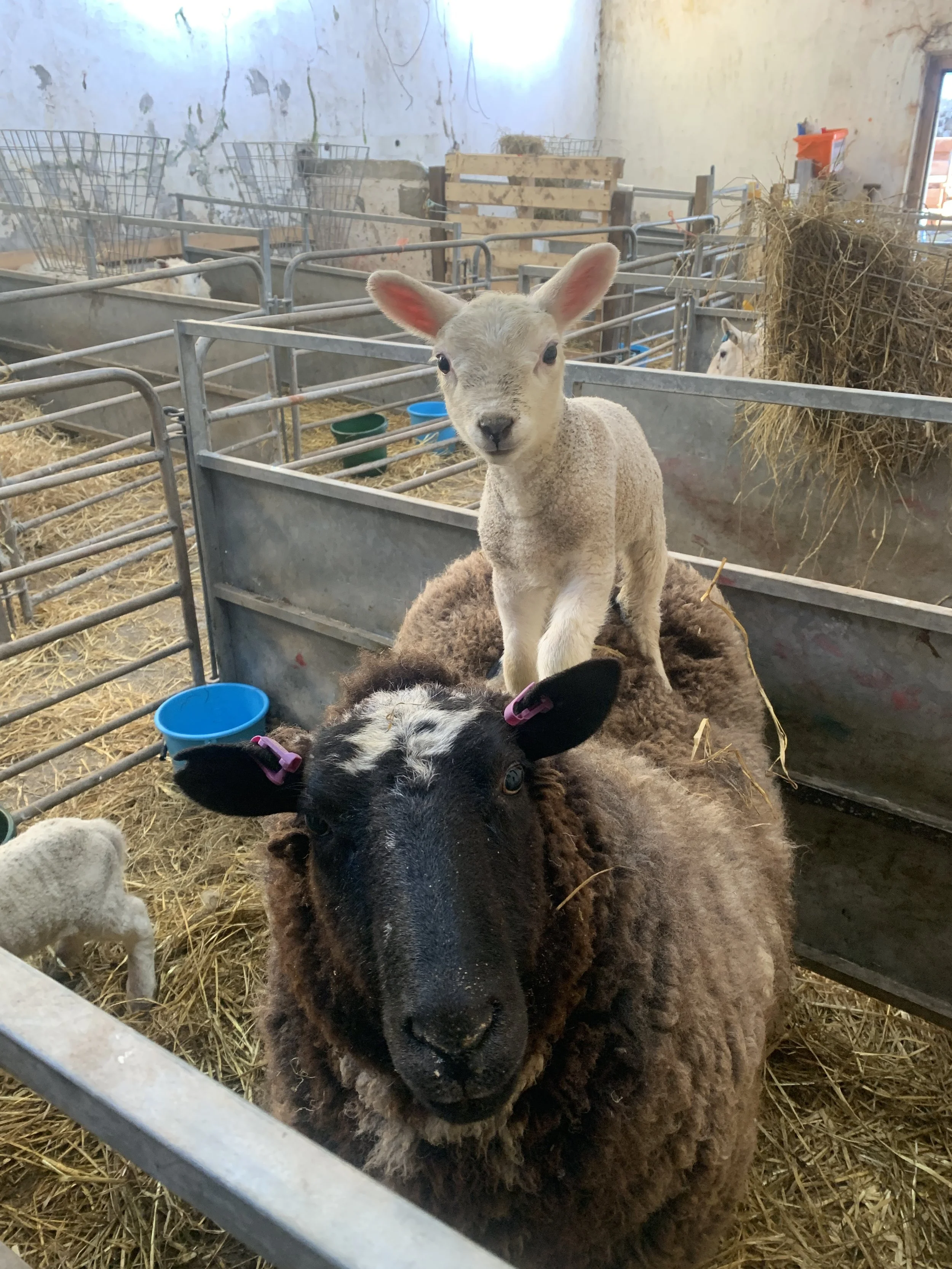
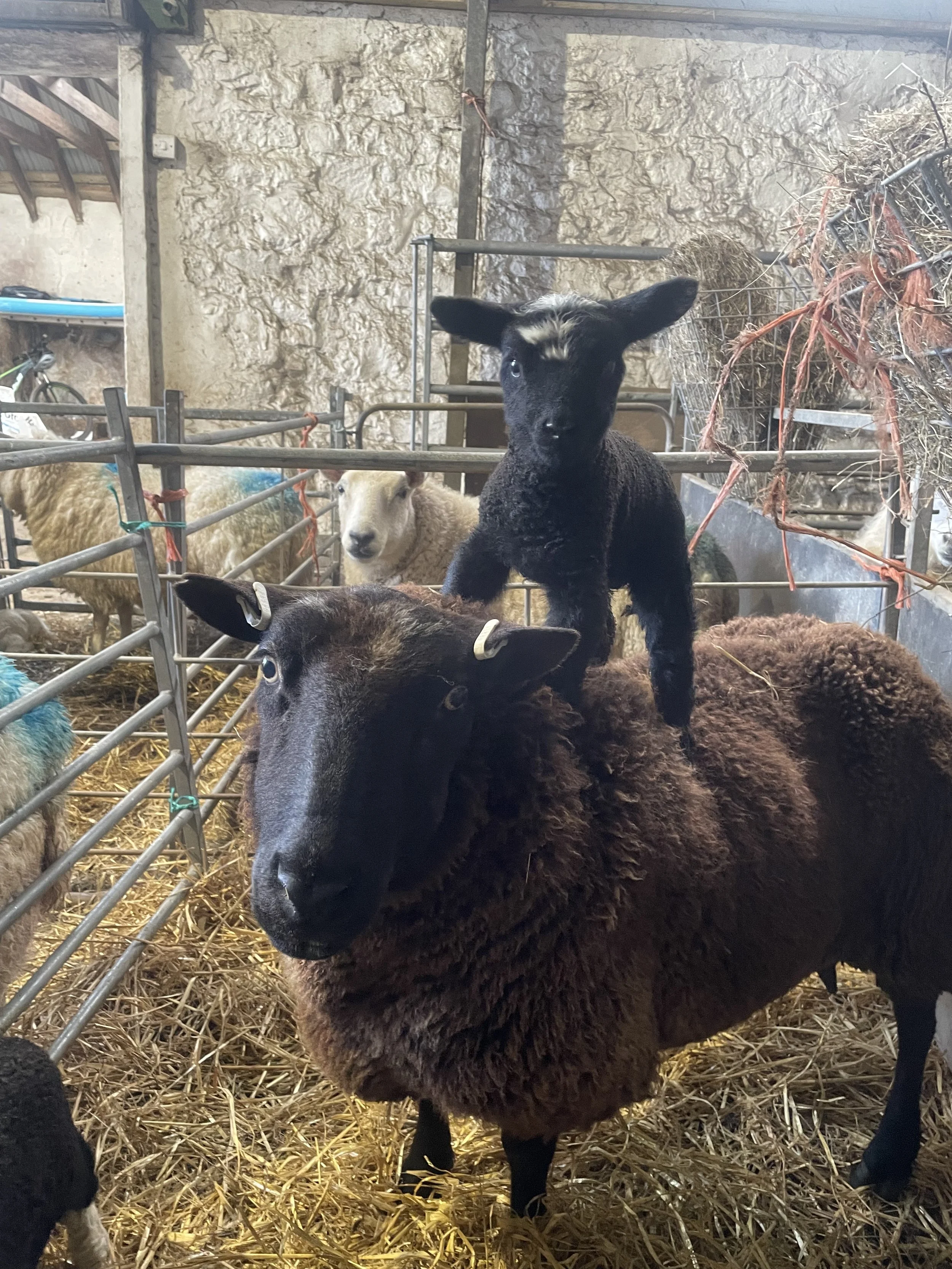
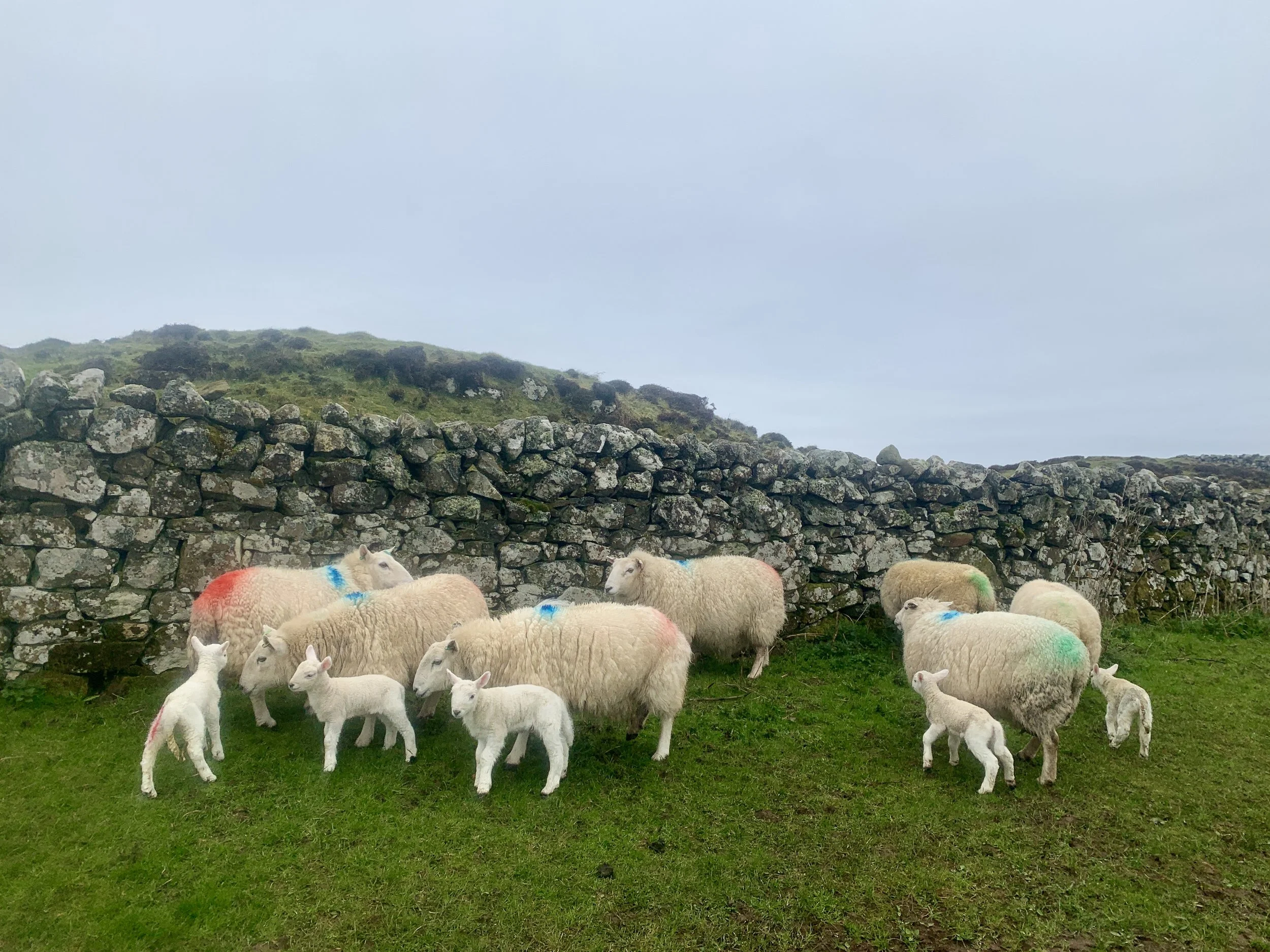
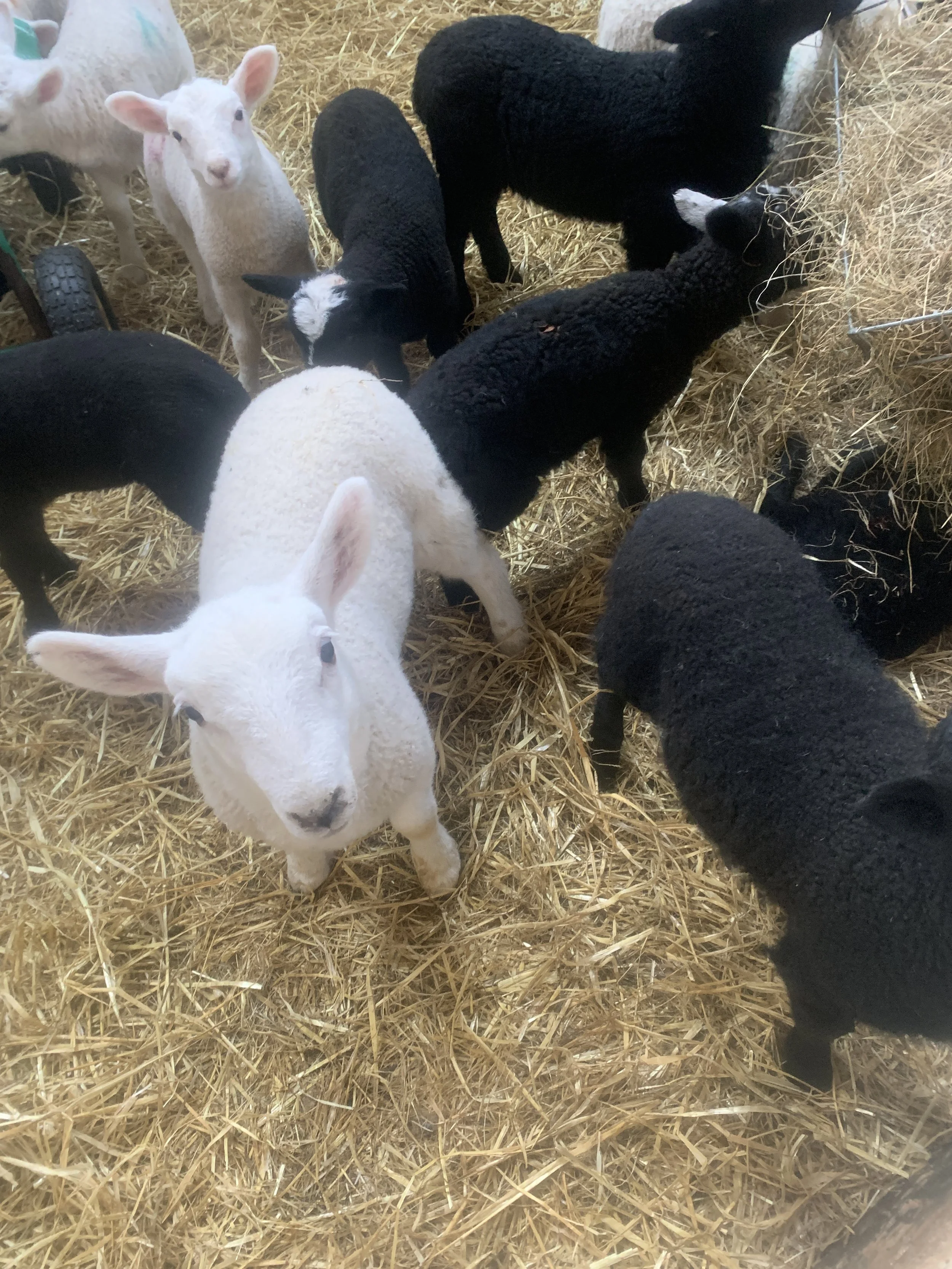
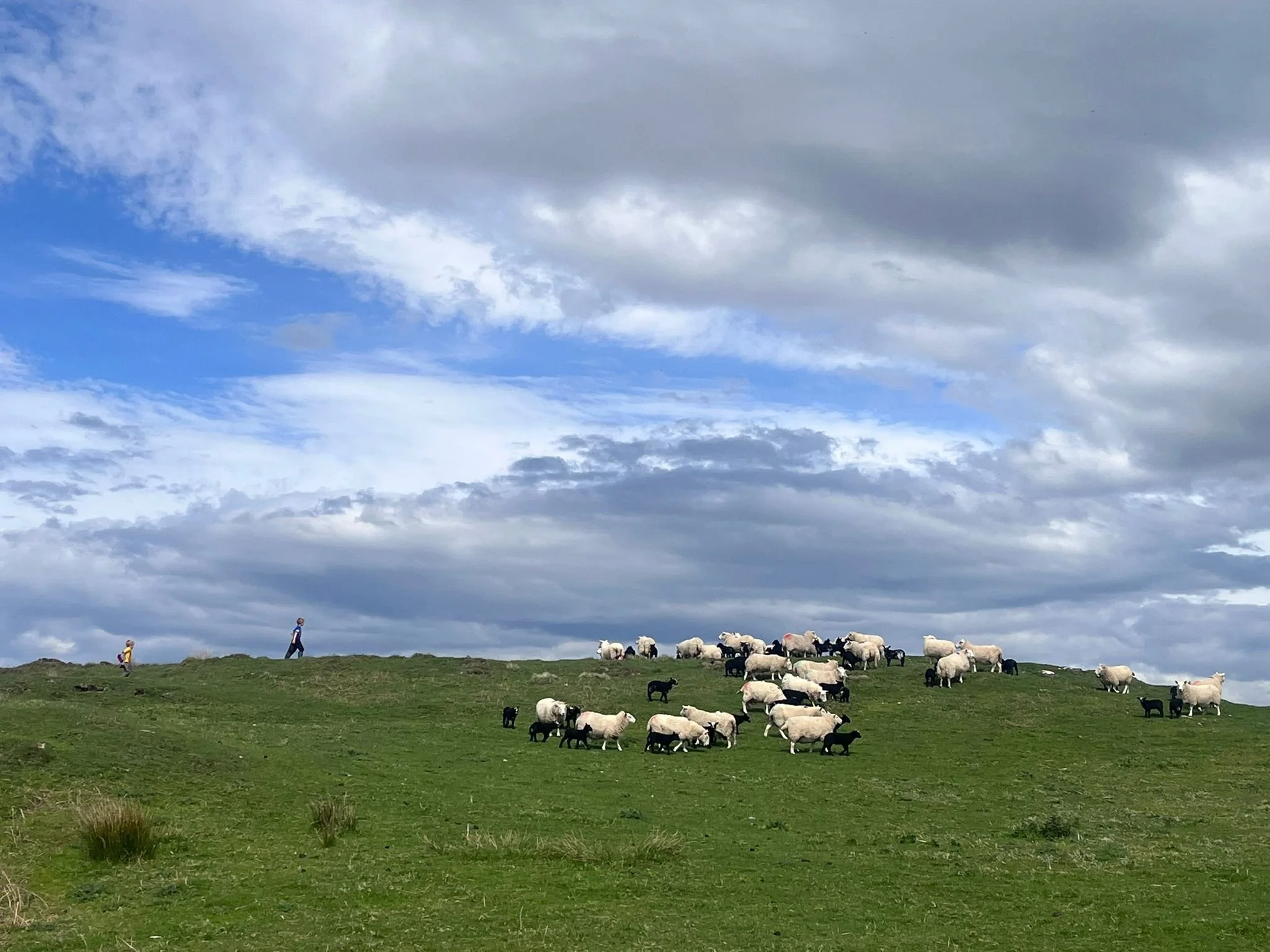
We use a mix of North Country Cheviot, Jacob, and Beltex tups in our breeding programme. The Cheviots are our main breed, allowing us to raise our own replacement ewes that are well-suited to the island’s weather and terrain. Alongside them, a Jacob tup runs with a smaller group of Cheviot ewes, producing distinctive black lambs. The best of these female lambs are kept on and become the black-faced ewes you might spot grazing in the in-bye fields. These ewes are prolific, hardy, good mothers, and produce plenty of milk -qualities that are especially important in our wet and windy west coast conditions.
The next generation of lambs often comes from crossing these black ewes (and some pure Cheviots) with a Beltex tup, a Belgian Texel known for producing lambs that are easy to birth, quick to their feet and to suckle (minimising losses and handling).
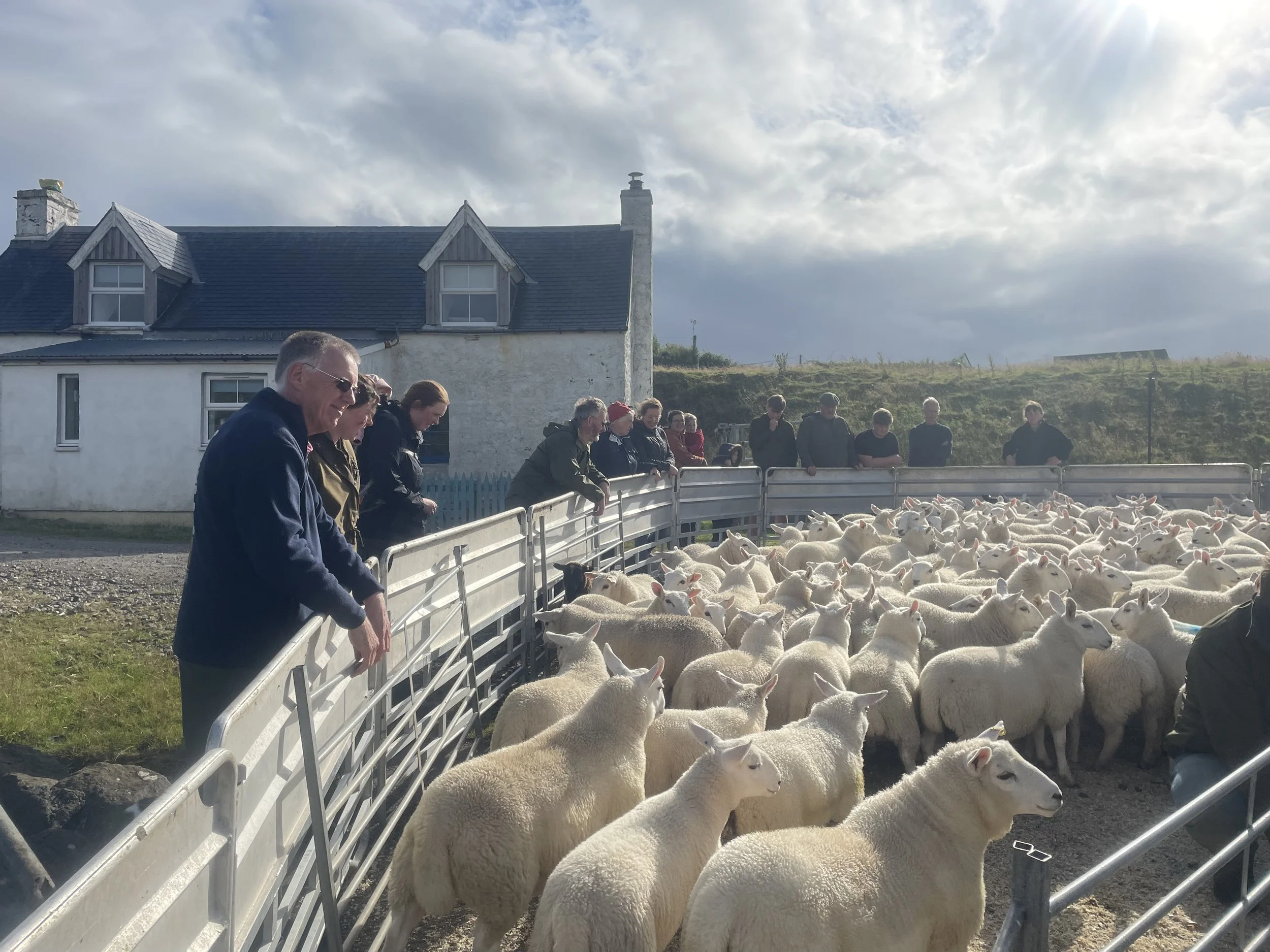
All lambs and calves, apart from the replacements we keep, are sold as stores at the livestock market -meaning they’re sold on to be finished elsewhere. Our island’s climate and soil make it difficult to grow cereals or enough winter grass, so this system works best. Lambing takes place outdoors in April, with lambs sold in August, while calves are born outdoors in February and March and head to market in September.
Farming on an island comes with its fair share of challenges. The weather is a constant factor and transport costs, by both road and sea, quickly add up. Everything from animal feed and straw to building materials and fuel has to be brought over, and getting livestock to market involves a carefully timed journey to the mainland. None of it would be possible without the support of our hauliers and ferry company, whose patience and flexibility are deeply appreciated, especially when poor weather or technical issues delay sailings.
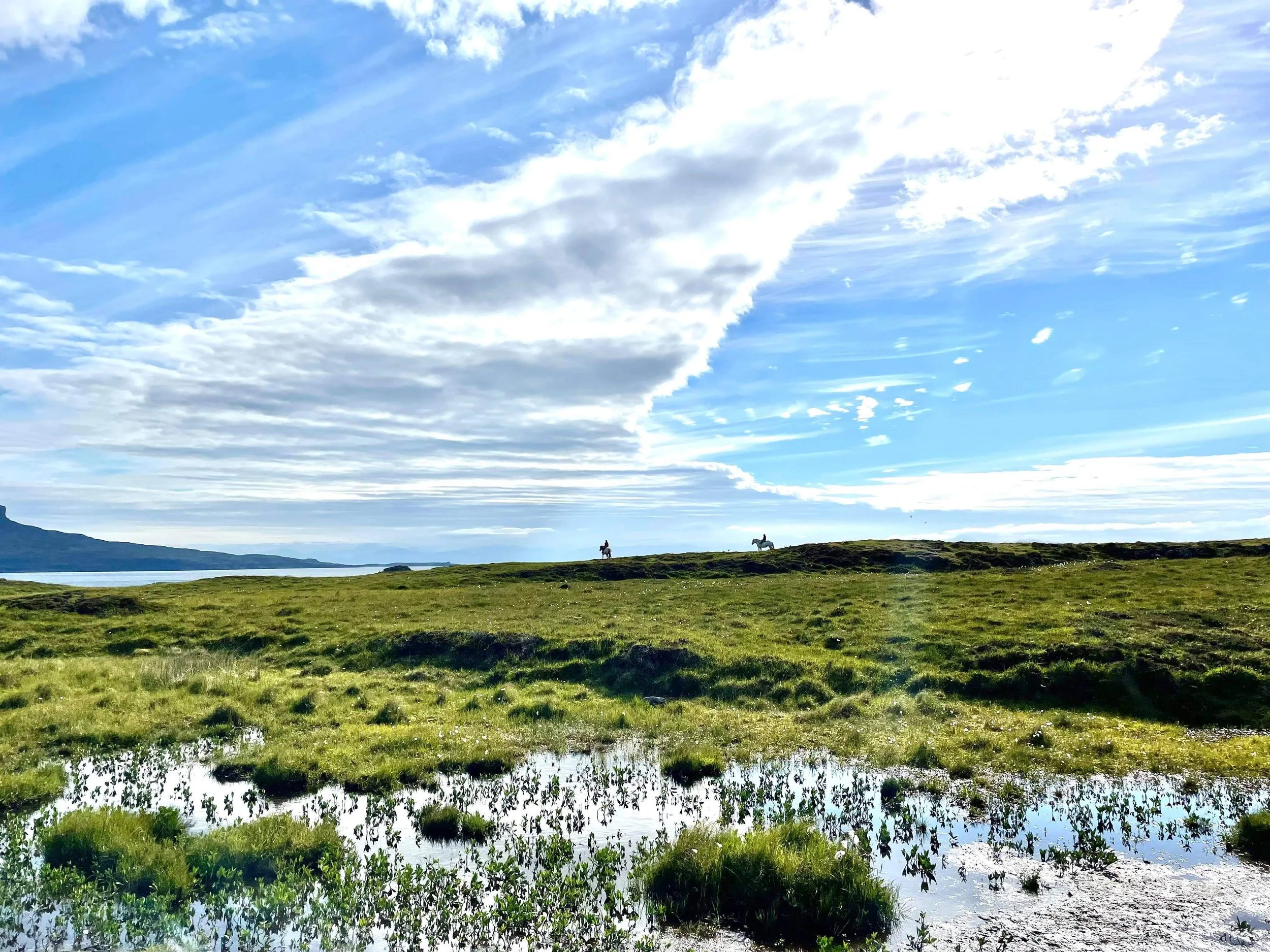
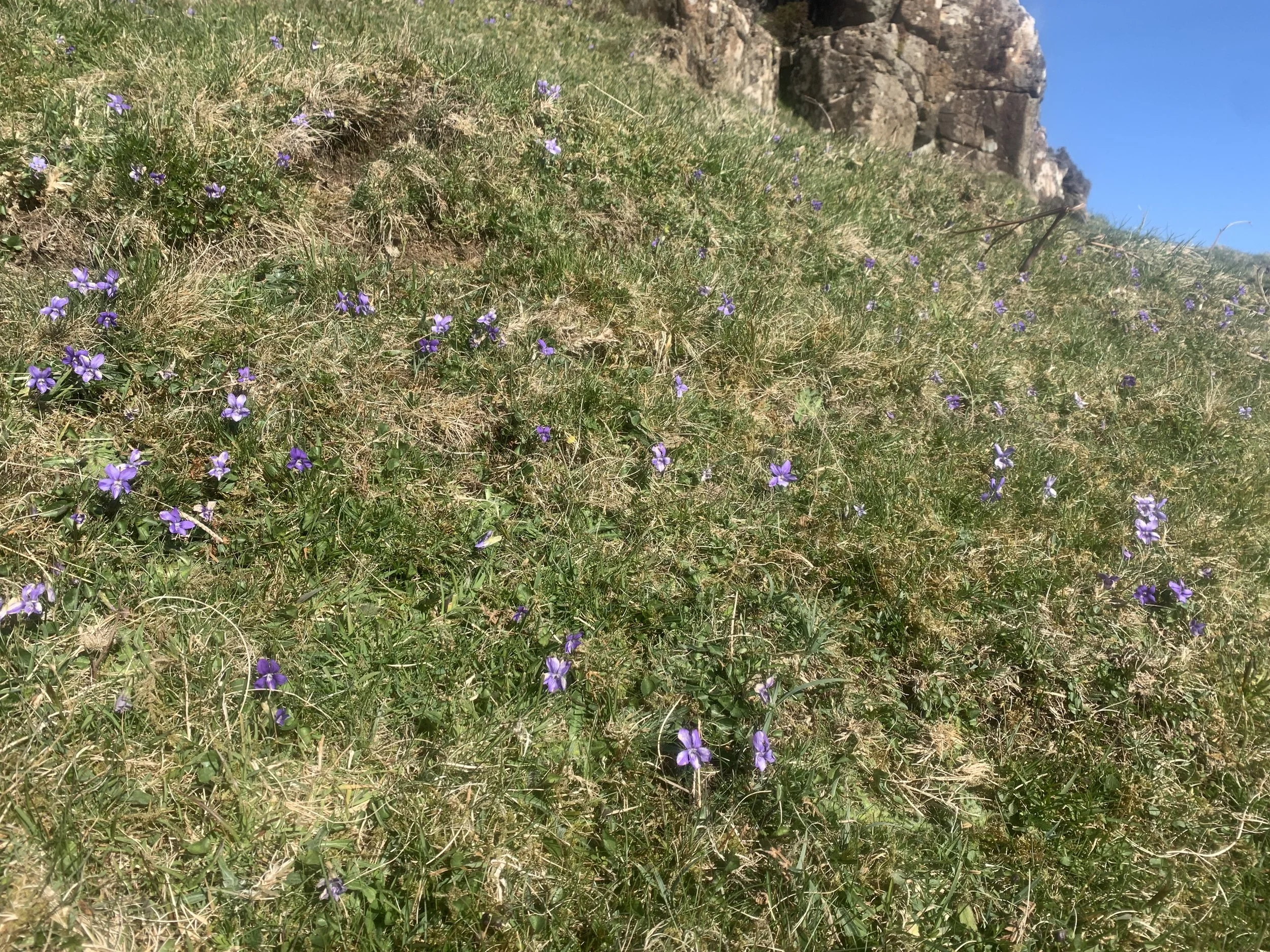
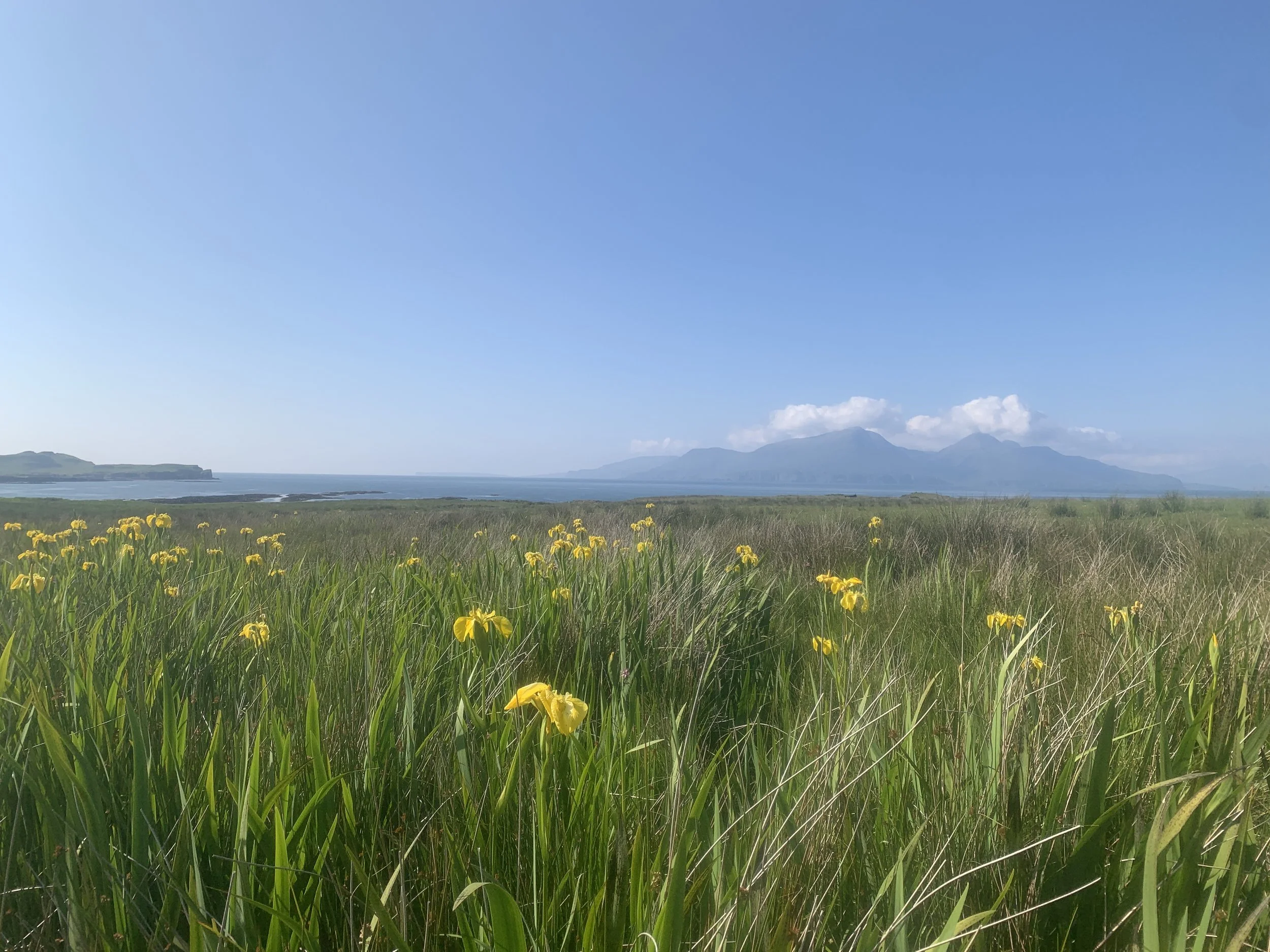
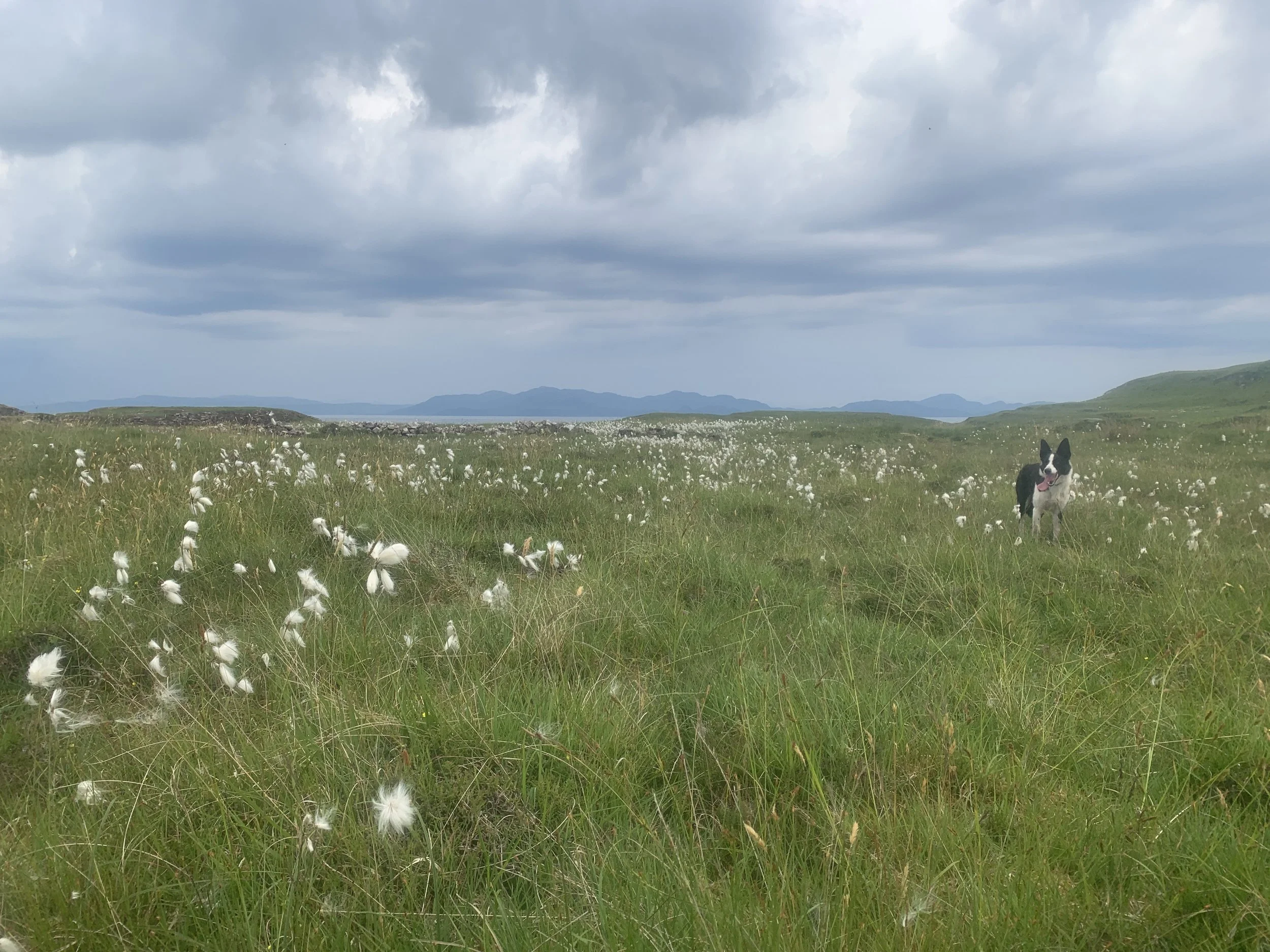
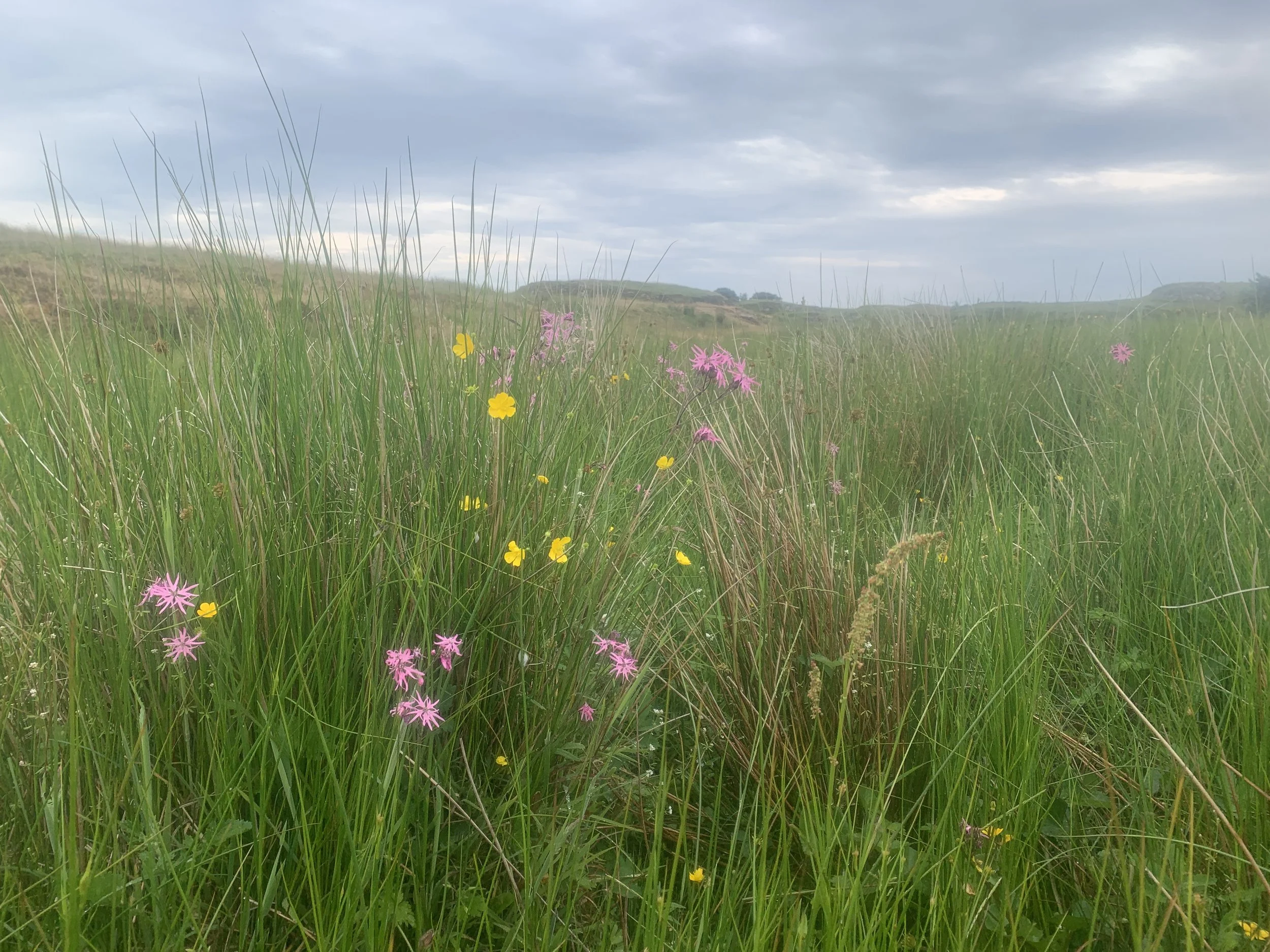
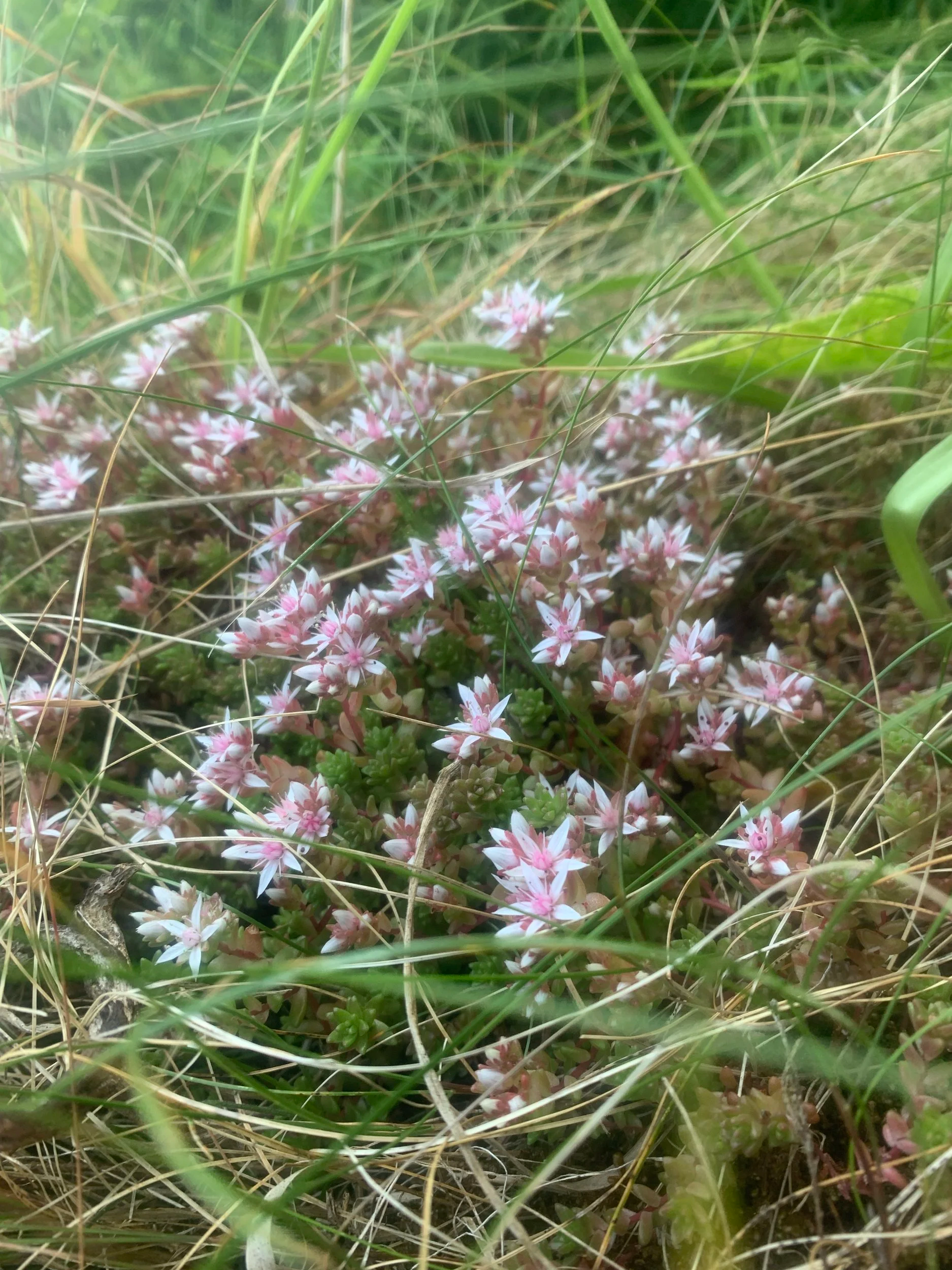
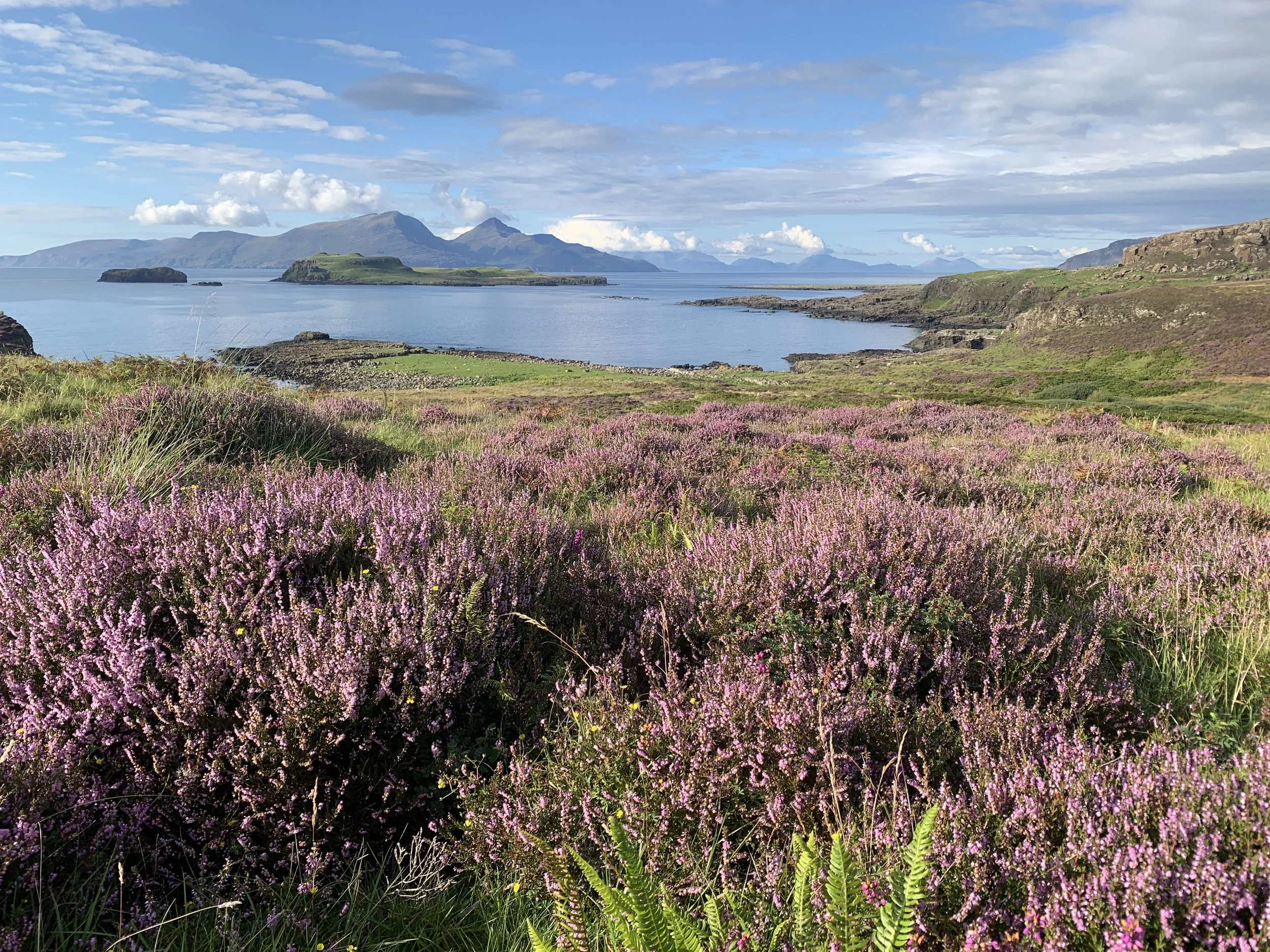
Farming on Muck is carried out with biodiversity in mind, working in harmony with the natural environment to support and encourage wildlife to thrive. Despite the challenges of our low-lying coastal climate, small pockets of woodland and hedgerows have been gradually established, offering shelter and habitat for both livestock and a rich variety of species. As you explore the island, you’ll spot everything from birds and bugs to wildflowers and fungi. Proof that careful, considered farming can go hand-in-hand with nature.